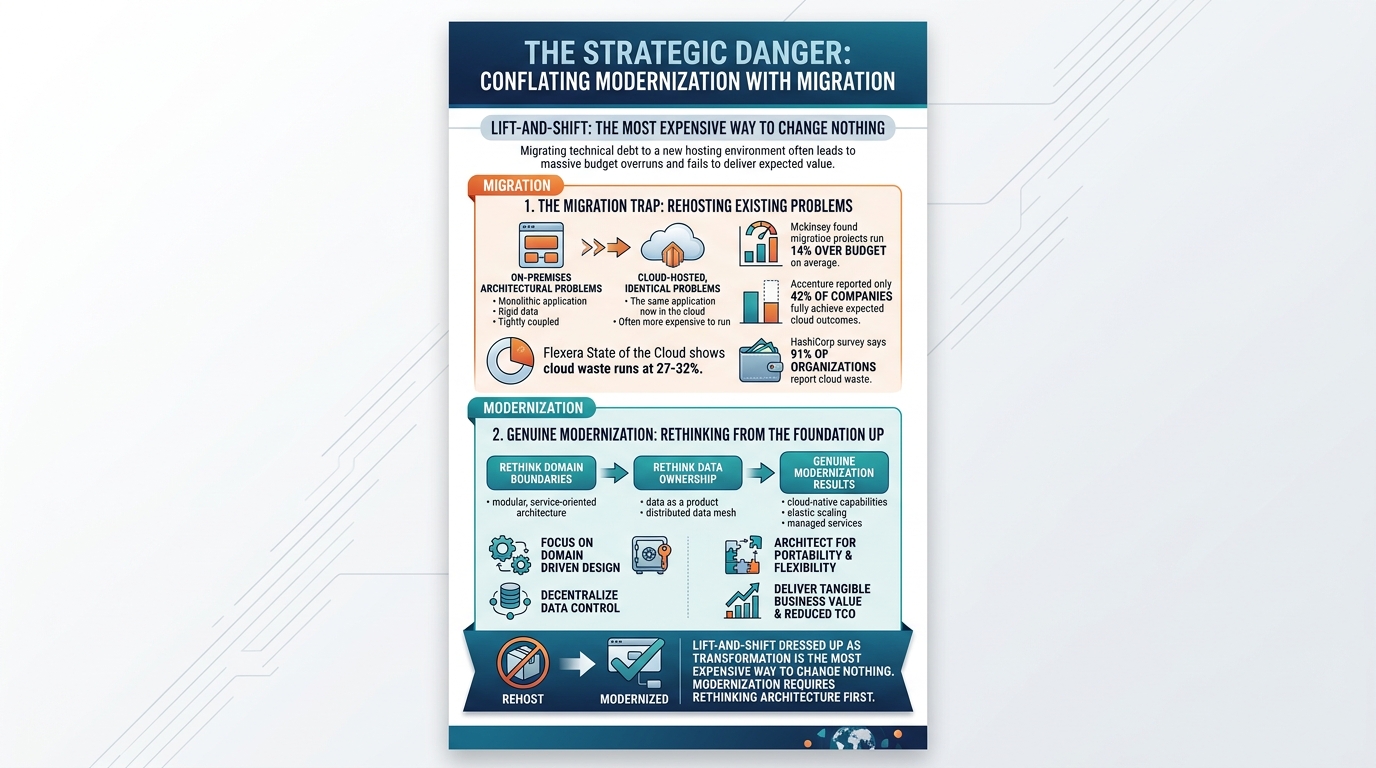
Every so often, someone will come to me and ask me "Stavros, why do you not share your infinite wisdom with us?". Invariably, my answer is "because you are not paying me, and also who are you, go away", but they get me thinking. What if I did share all my wisdom with the wider world? By how many millions of times would that magnify my impact?
Over the years, many people have helped shape me into the self-made man I am today, or at least that is the polite thing to say. However, I have decided that I can get many more consulting gigs if I give people a taste of what they're buying, so I have selflessly decided to provide immense value by sharing some inconsequential morsels of my decades of experience in running companies, leading thought, and, ultimately, making the world a better place.
Morsels to me, precious nectar to you. Behold them, for your edification.
All thoughts
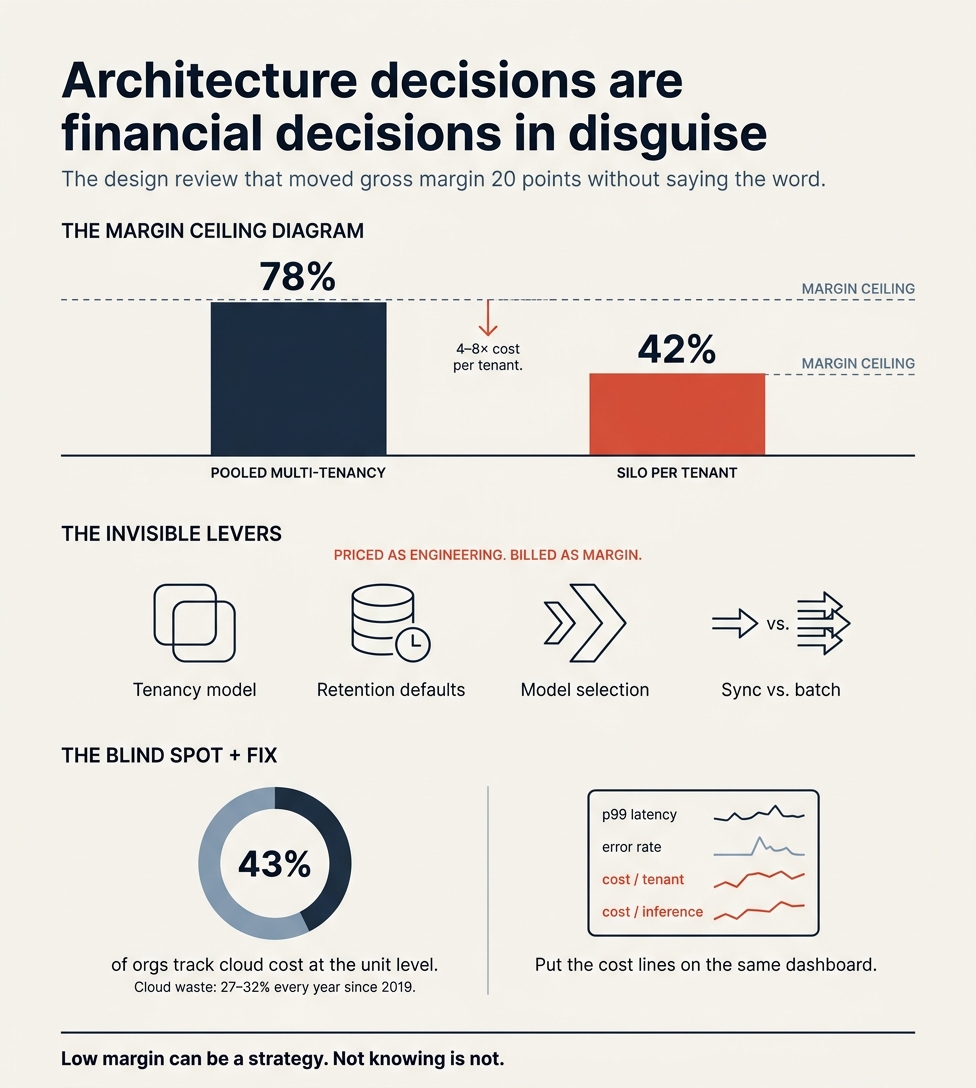
How architecture decisions silently set the ceiling on gross margin, and why most engineering orgs never see that number
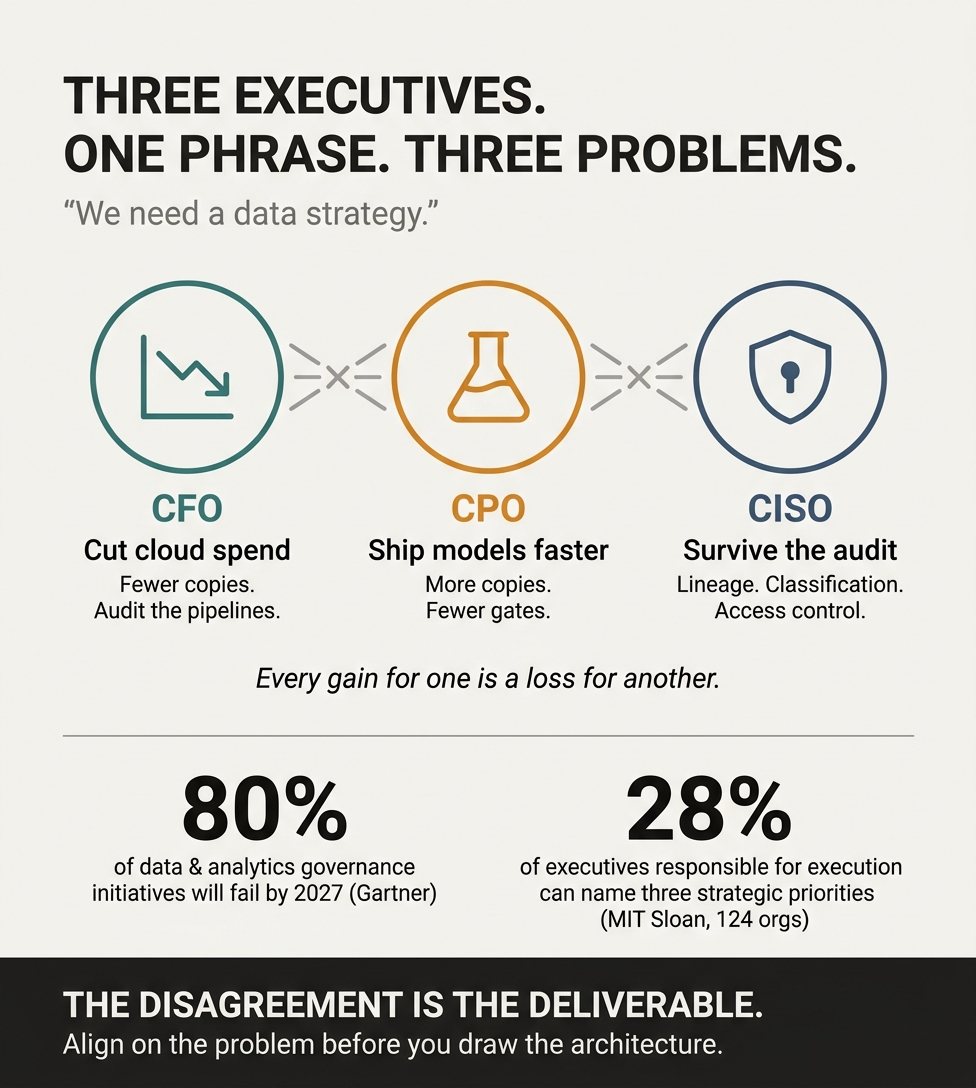
How 'we need a data strategy' almost always means three different things to three different executives—and the technical strategist who doesn't force that disagreement into the open before writing a plan ends up authoring a document that satisfies no one
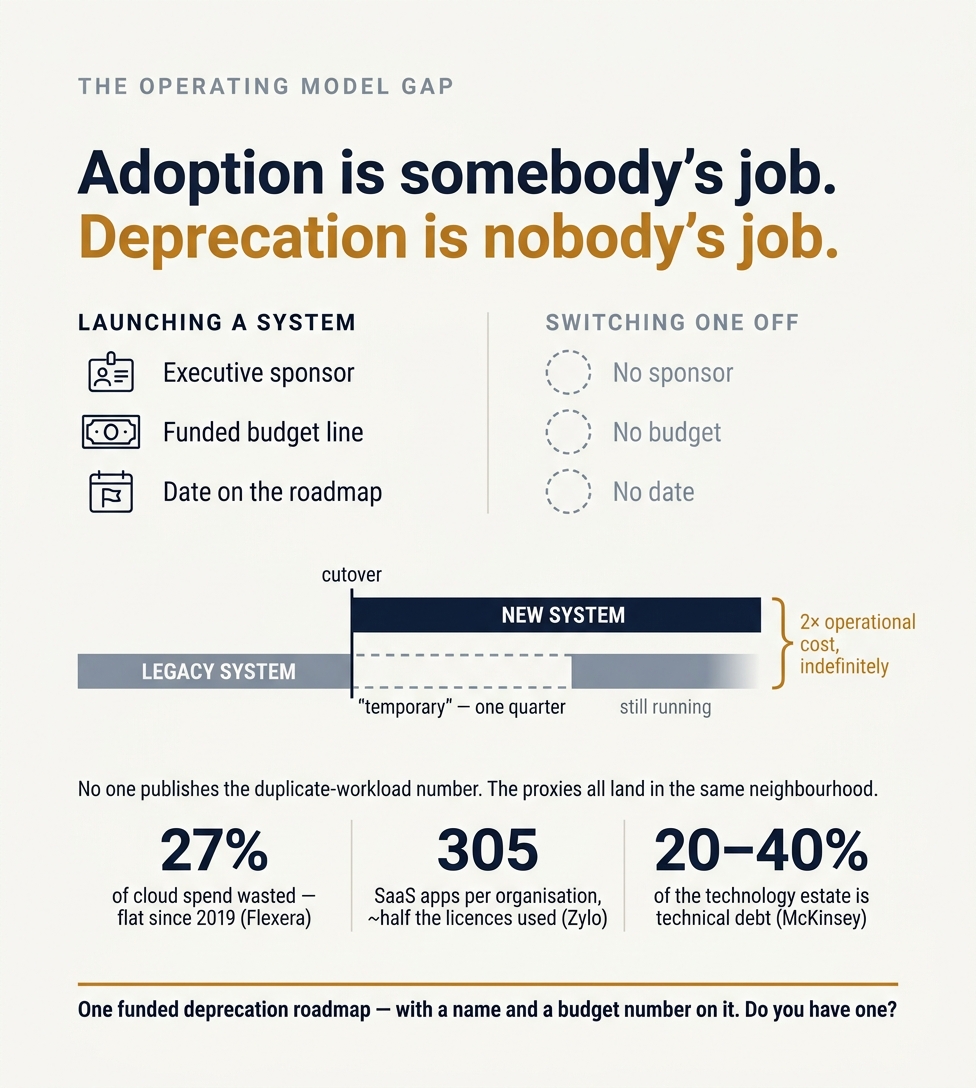
Why deprecation is a harder strategic capability to build than adoption, and why most organizations have no one whose actual job it is to decommission things
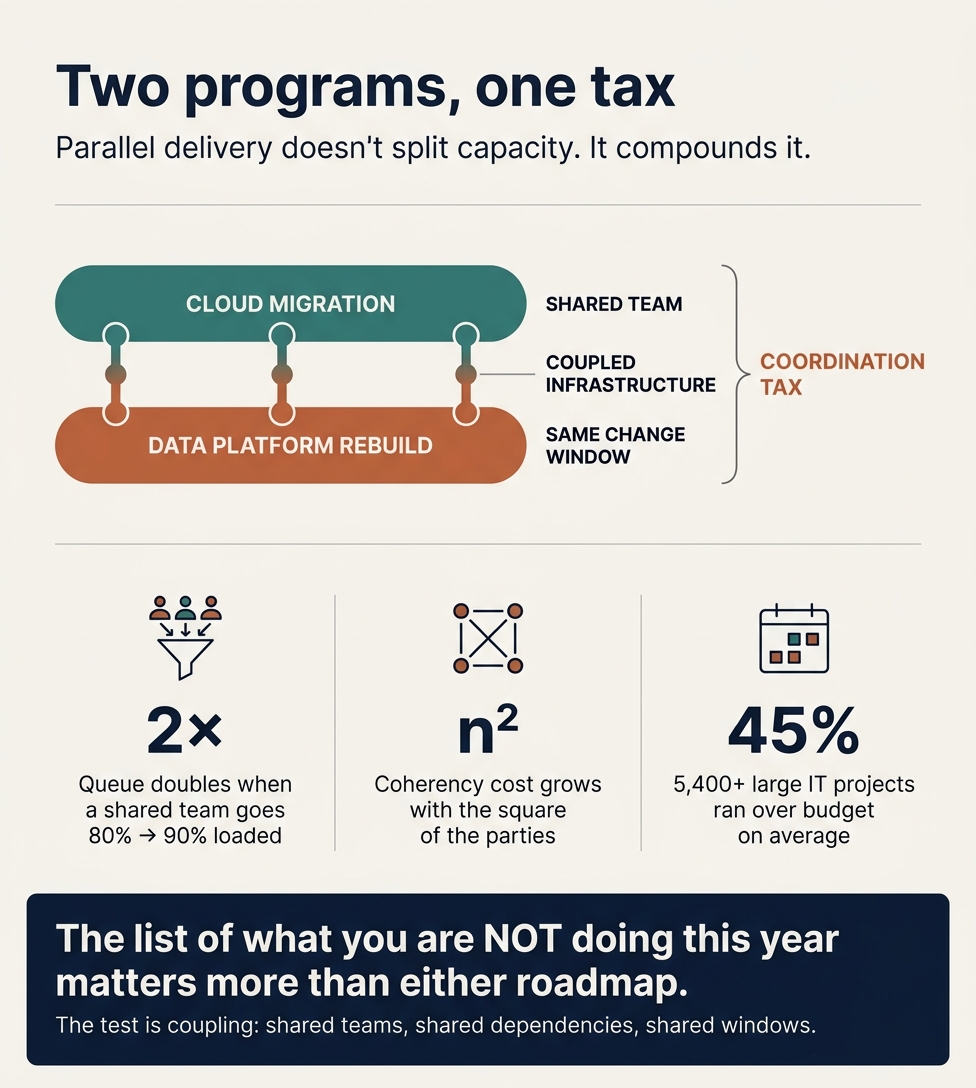
How running two major technical initiatives in parallel—say, a cloud migration and a data platform rebuild—doesn't just split engineering capacity but creates a compounding coordination tax that neither initiative's plan accounts for
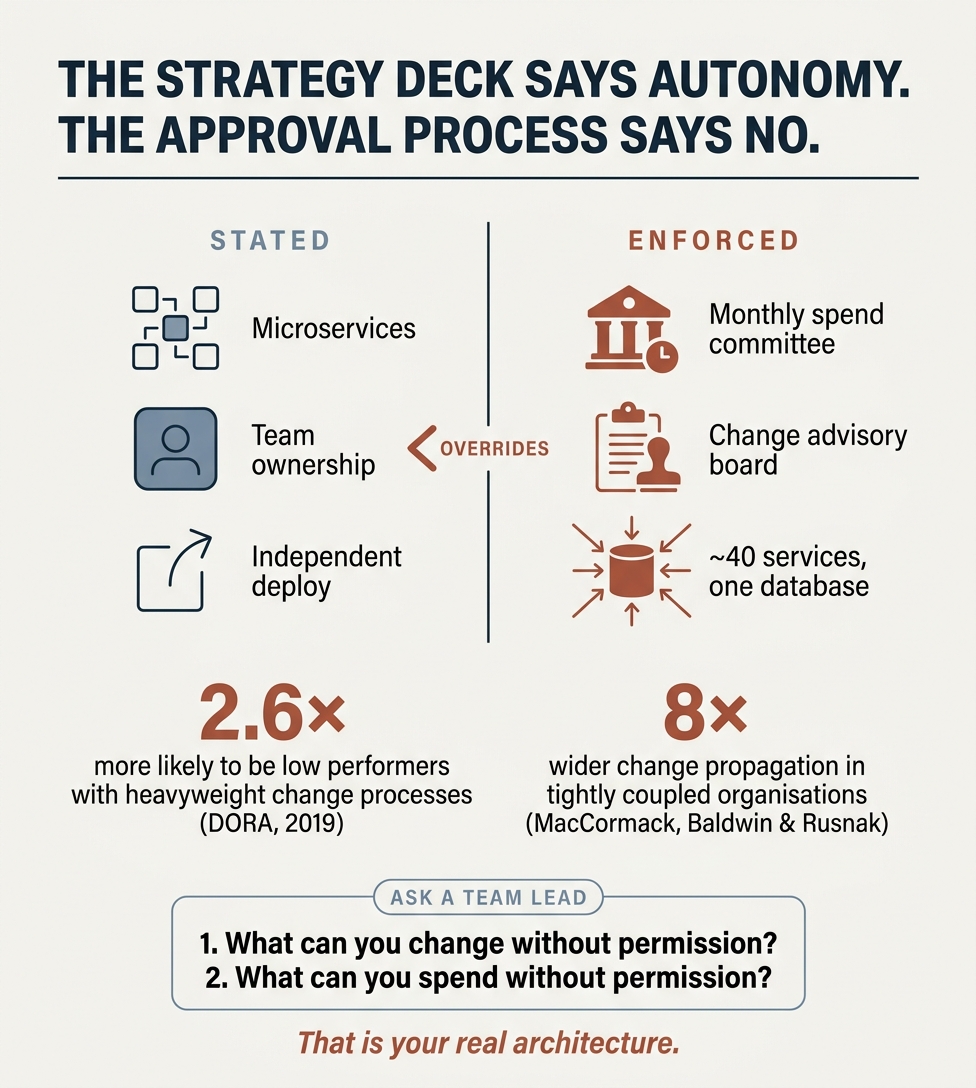
The pattern where an organization's stated technical strategy says 'microservices and autonomy' but its budget approval process, change advisory board, and shared database infrastructure all enforce centralized coupling
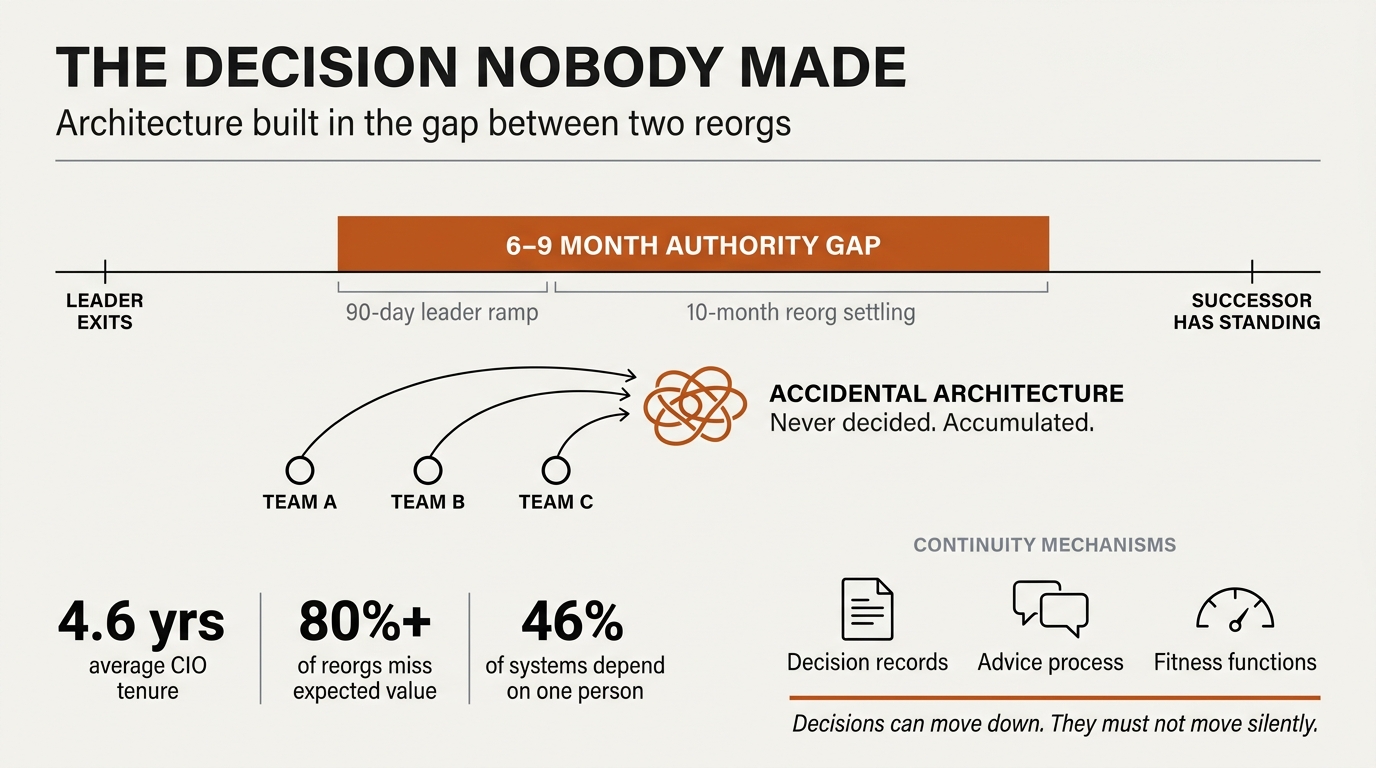
Why the most expensive technical strategy decisions are the ones made by default in the gap between two reorgs

The strategic cost of vendor consolidation pitched purely as negotiating leverage
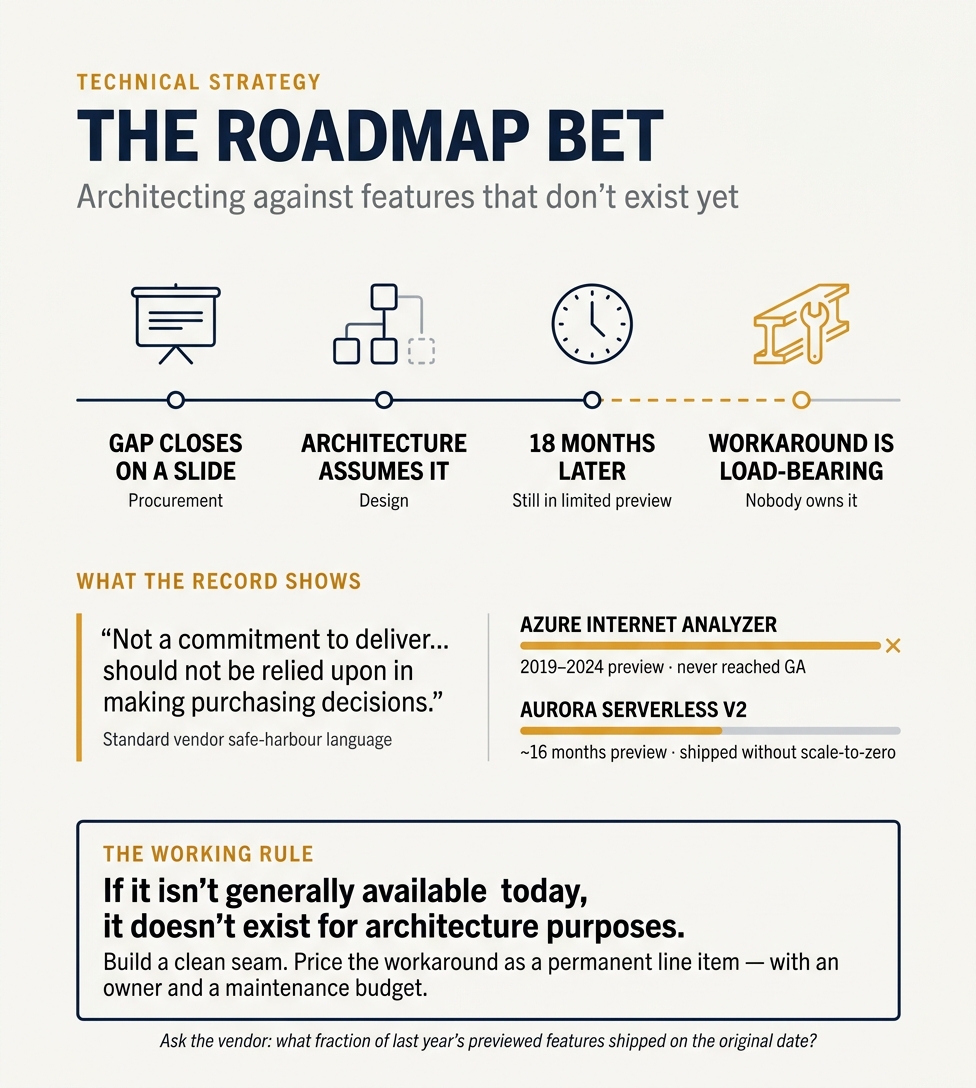
Why designing against a vendor's roadmap is one of the most under-scrutinized bets in technical strategy
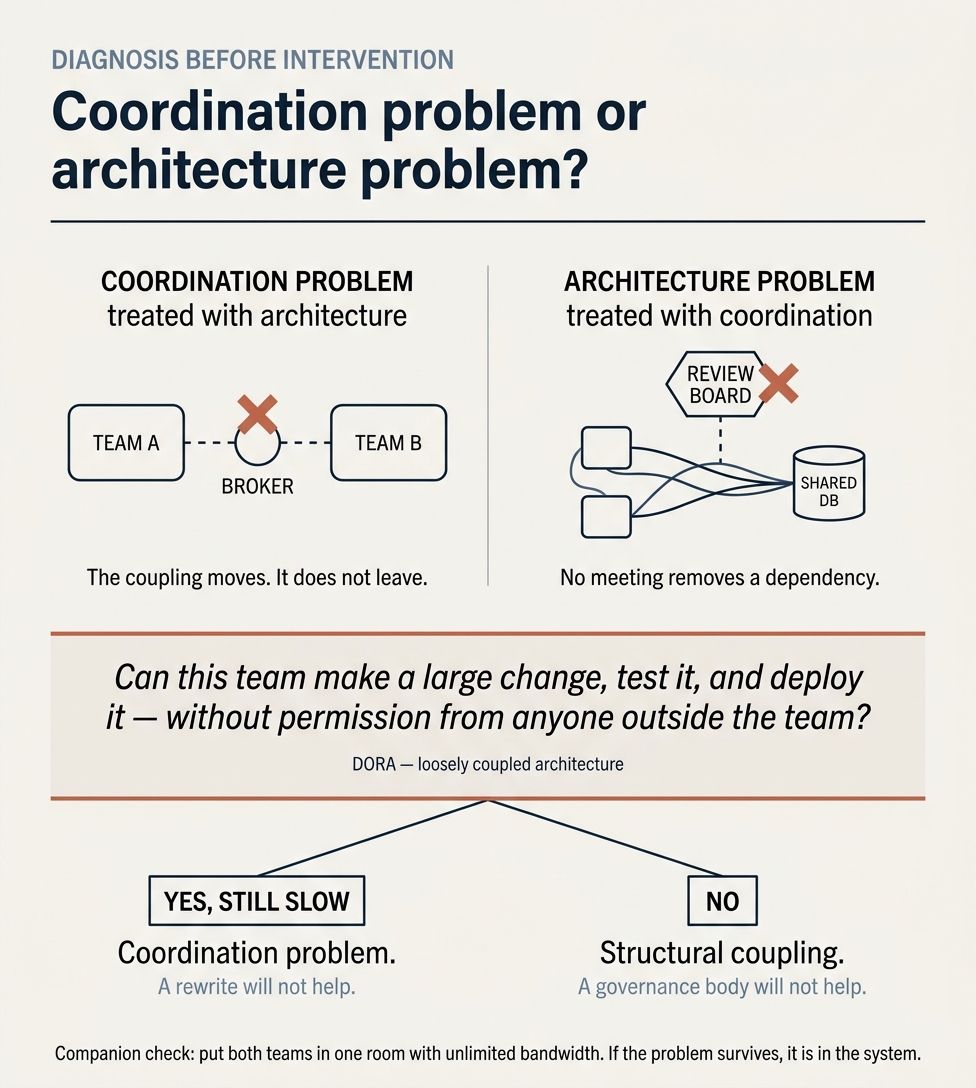
The pattern where organizations try to solve coordination problems with architecture and architecture problems with coordination—and why misdiagnosing which one you actually have leads to expensive interventions that make things worse
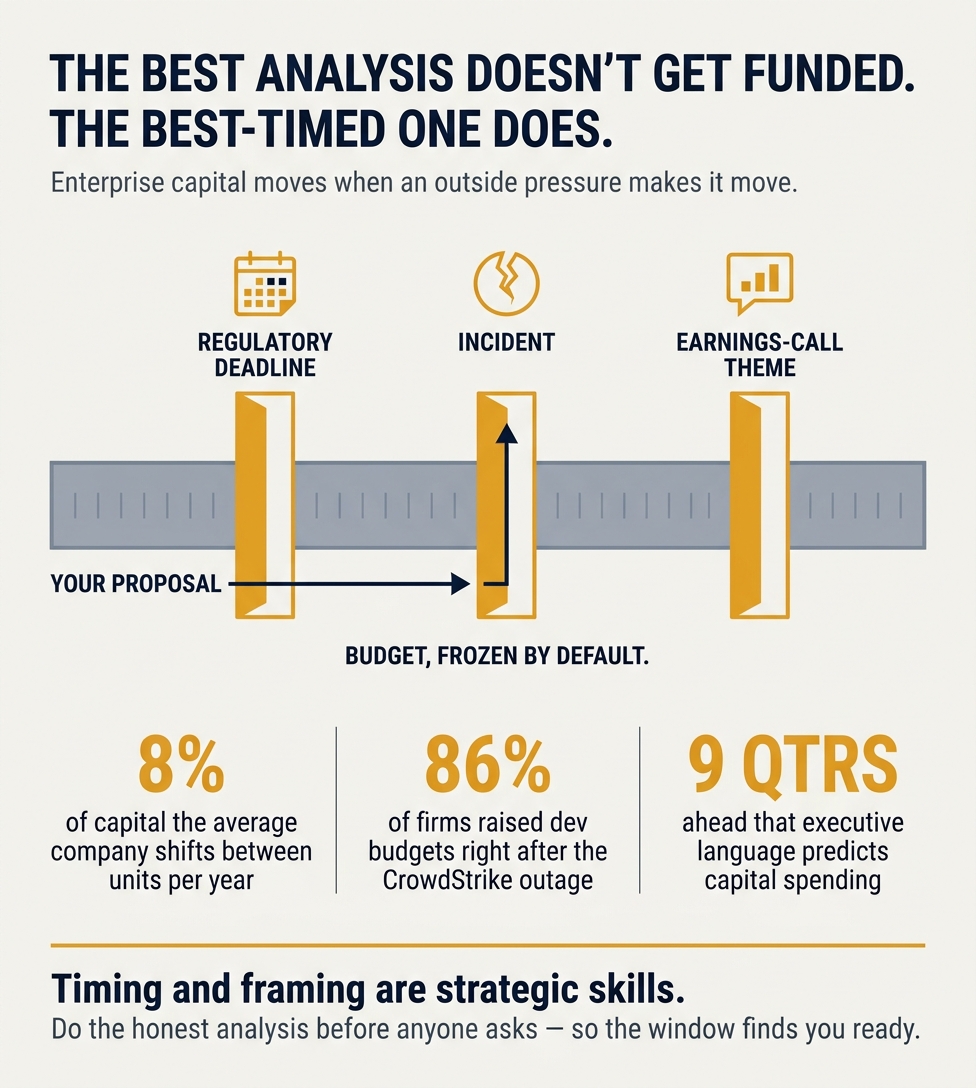
Why the technical strategy that gets funded is almost never the one with the best analysis—it's the one whose sponsor understands the CFO's current anxiety
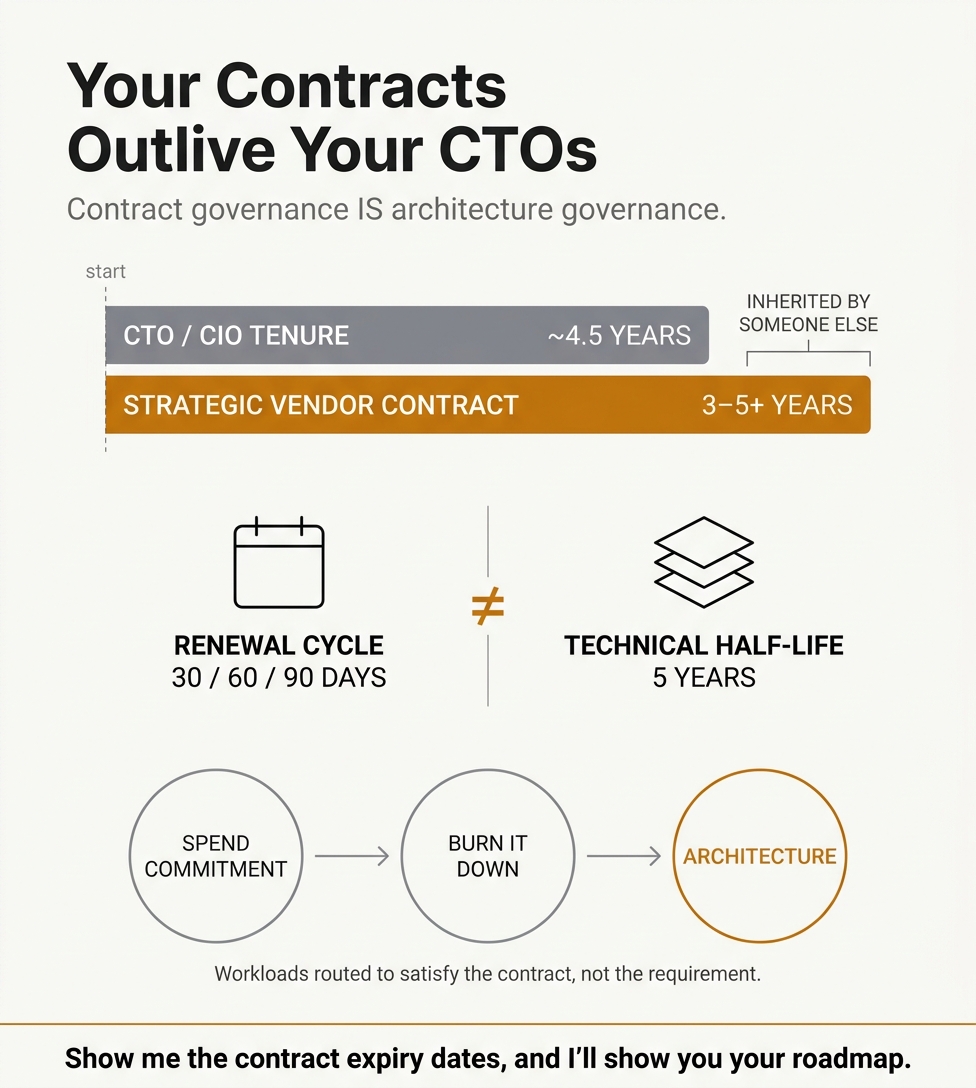
How the sunk cost of a multi-year vendor contract quietly reshapes technical strategy long after the original decision-makers have left the organization
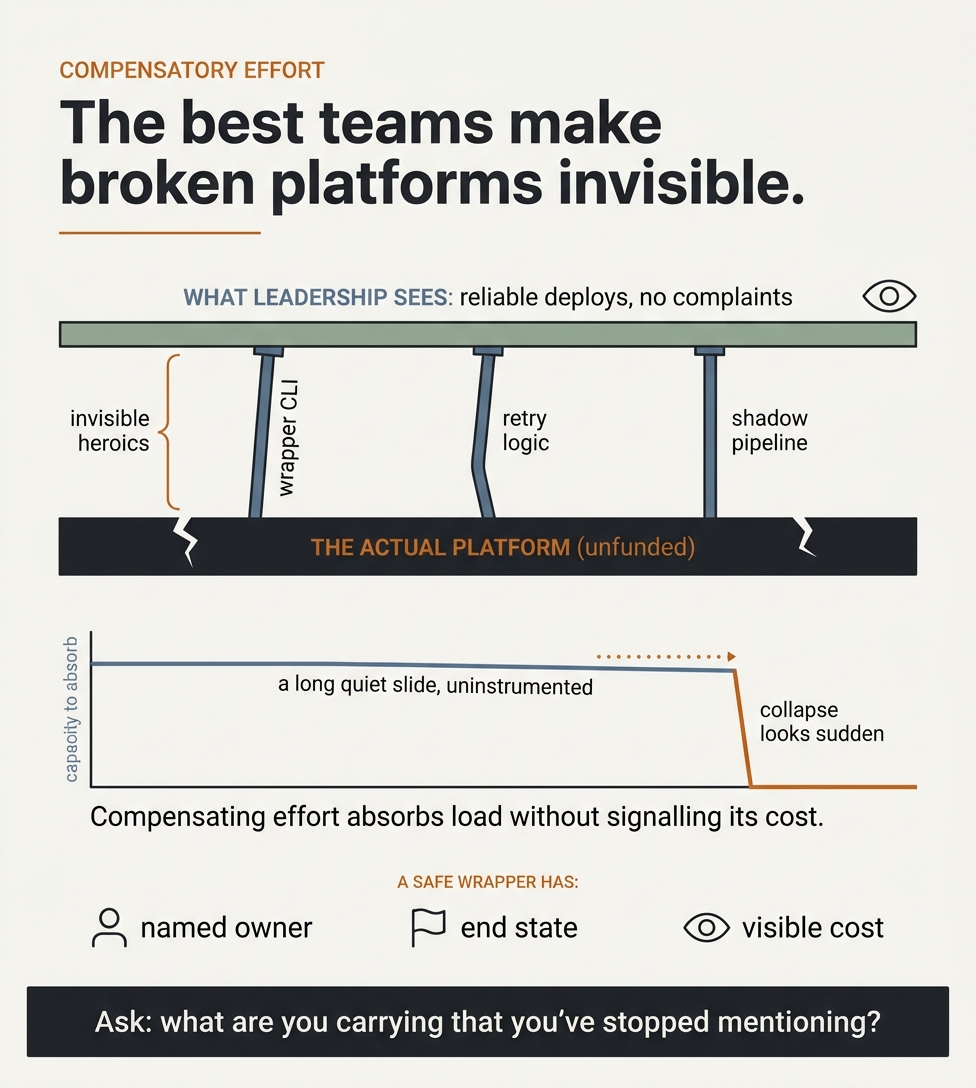
The counterintuitive problem with engineering teams that are too good at working around platform limitations
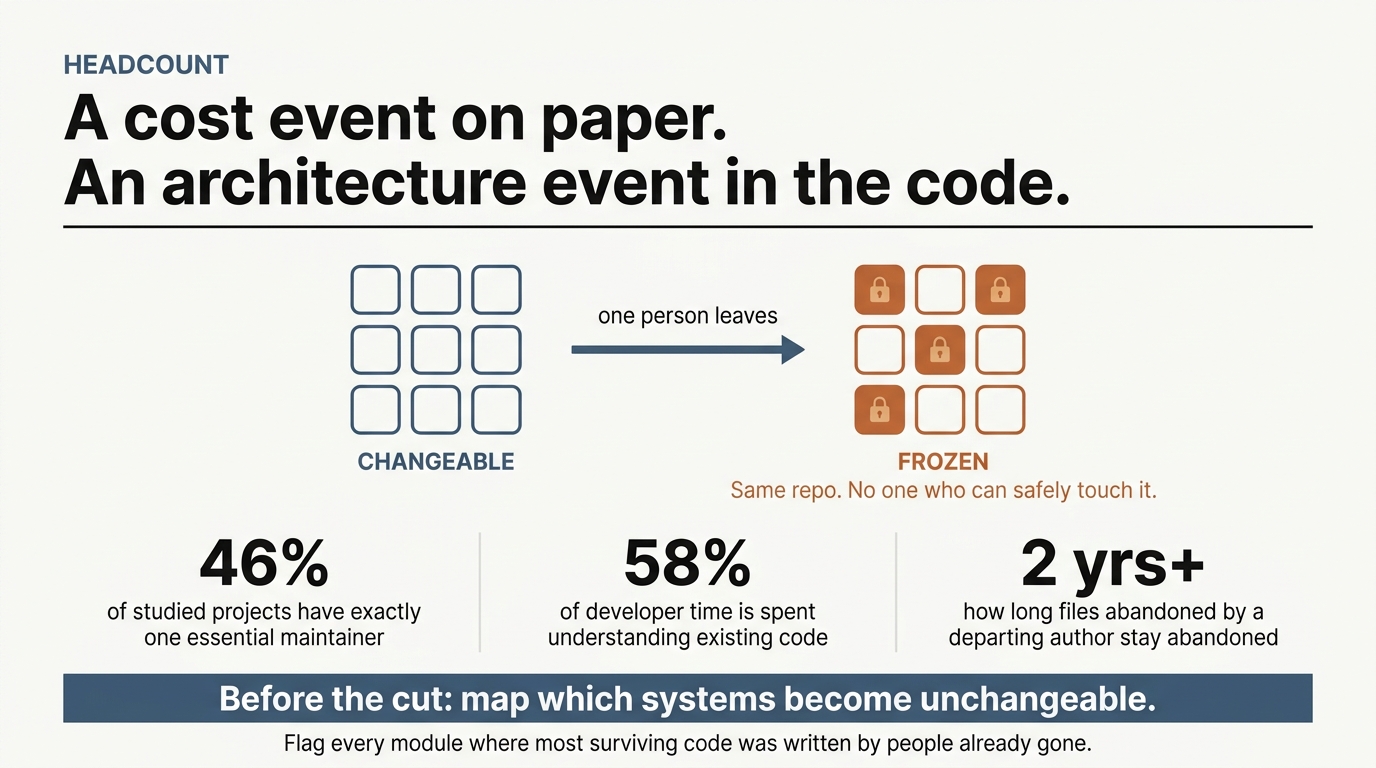
Treating headcount reduction as an architecture event, not just a cost event
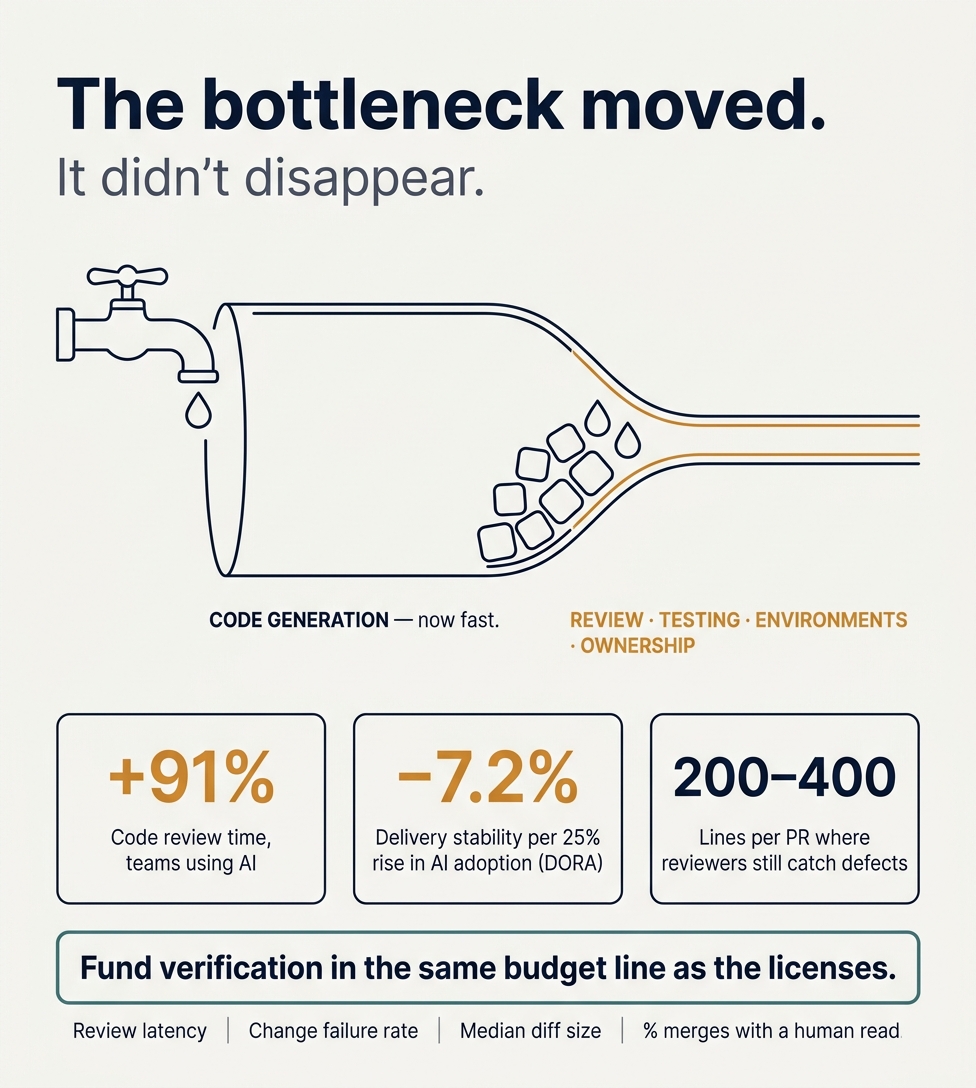
The bottleneck AI coding assistants moved rather than removed
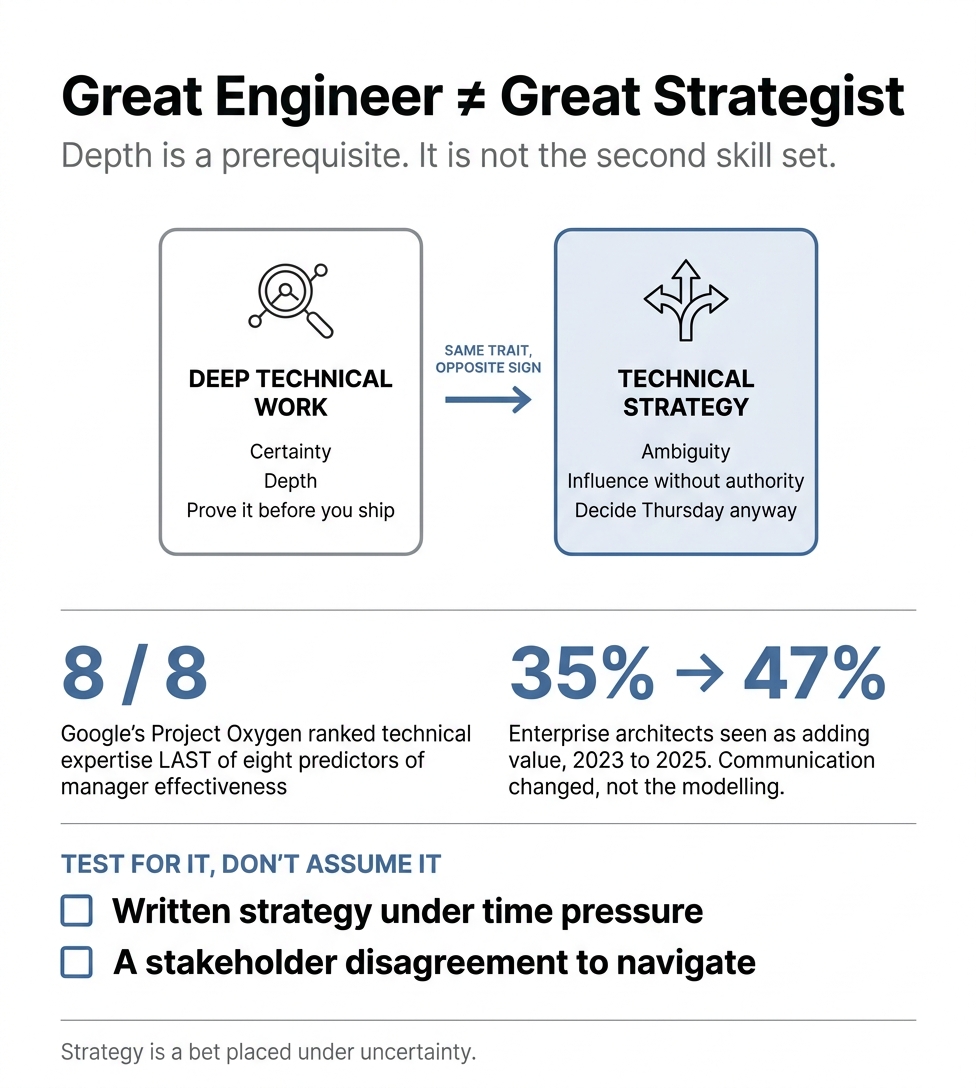
The dangerous assumption that a successful staff-plus engineer will naturally excel at technical strategy work
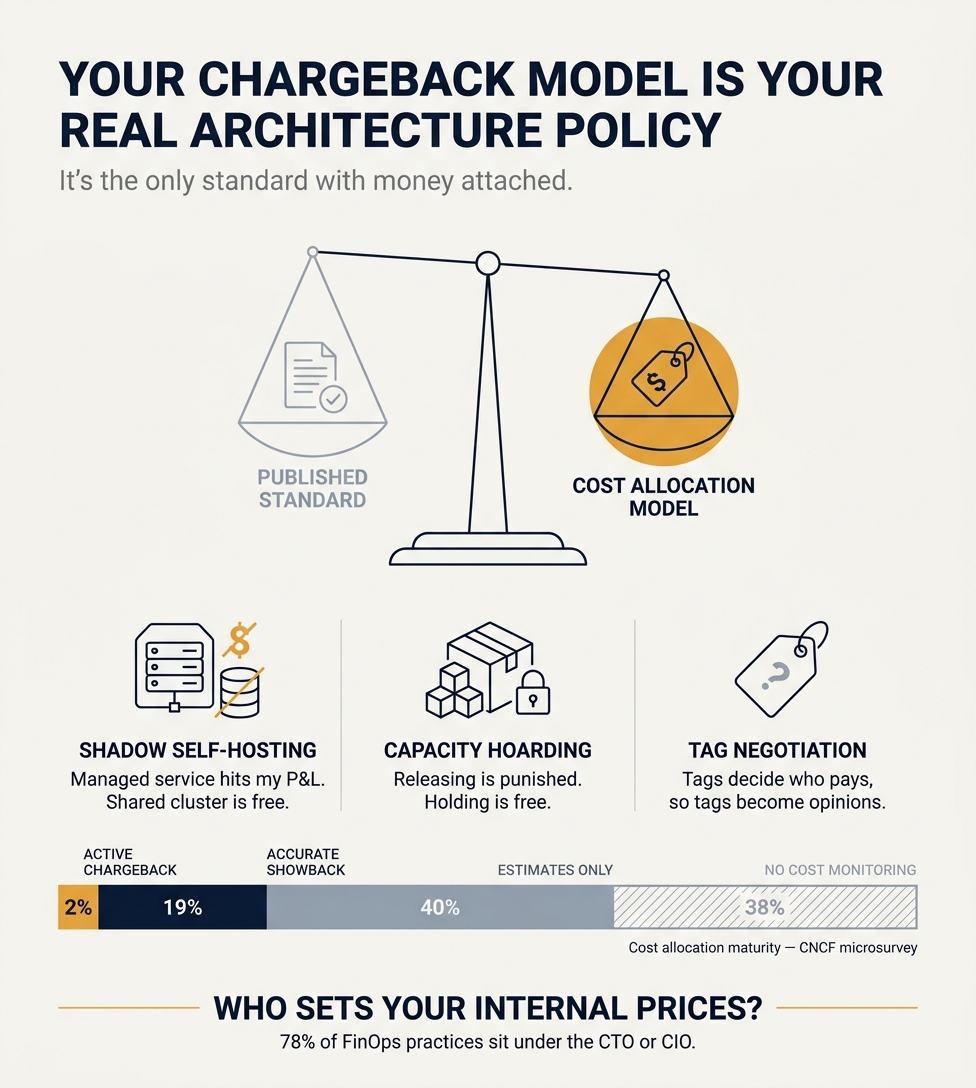
The argument that your cloud chargeback model is a more powerful architecture policy than anything the architecture team publishes
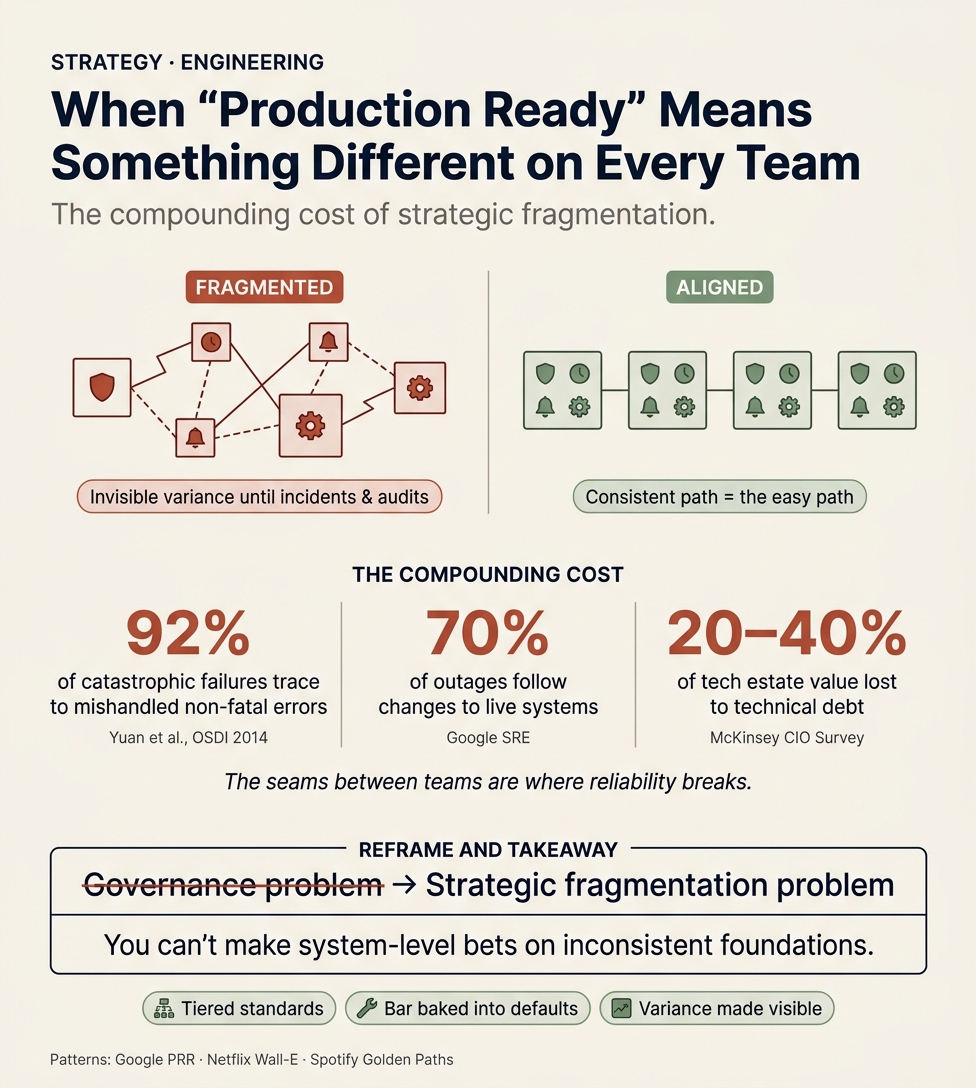
The compounding cost of having no shared definition of 'production readiness' across teams
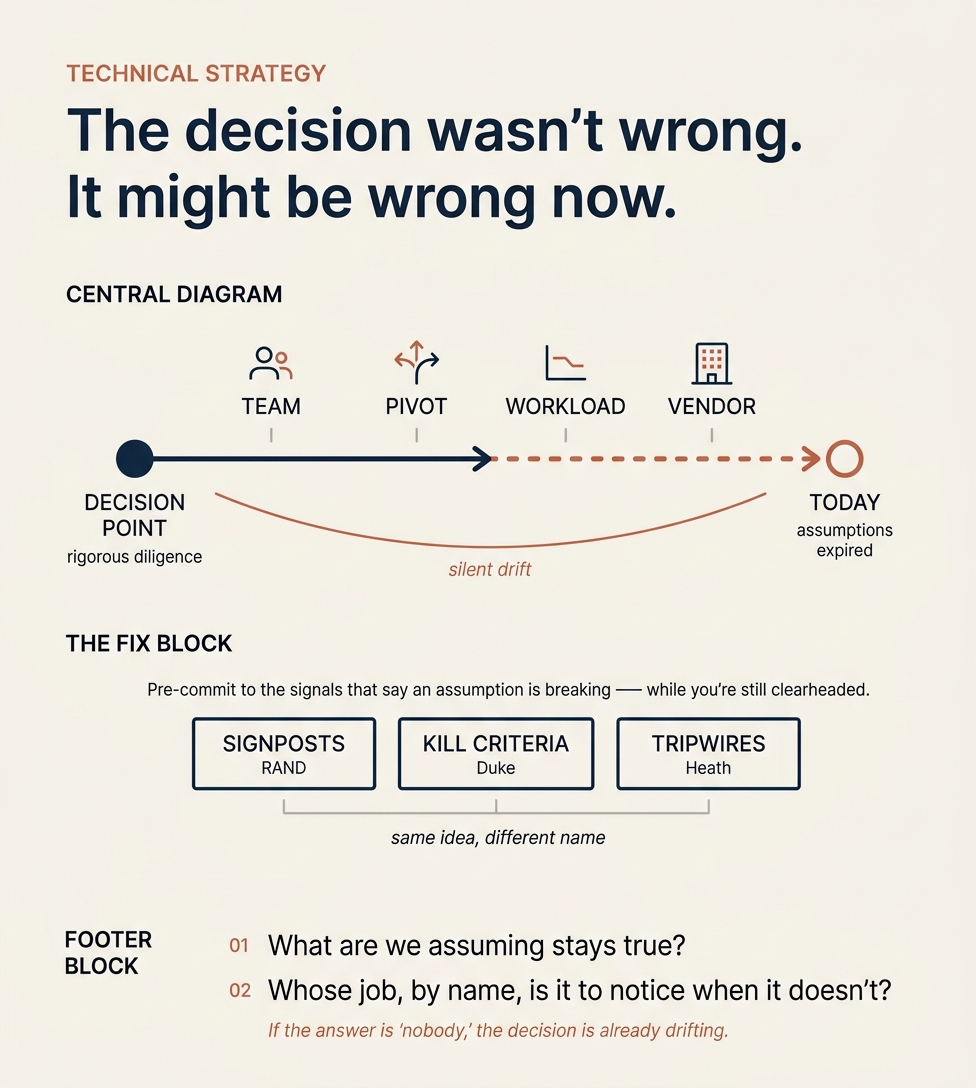
The failure mode where technical due diligence gets done rigorously before a major decision—cloud provider commitment, framework adoption, vendor contract—but the assumptions behind that diligence are never revisited even when the market, team composition, or business model shifts underneath them
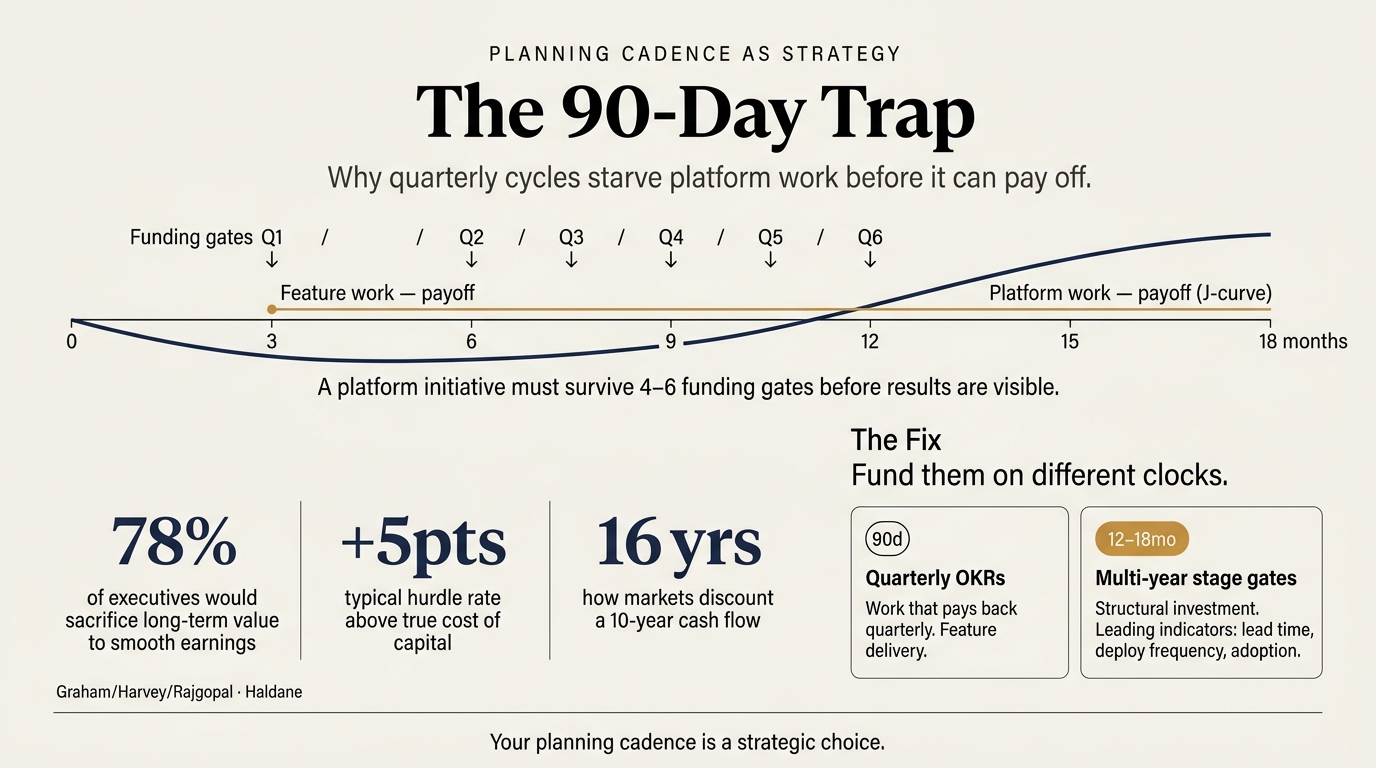
How quarterly planning cycles structurally prevent technical strategy from working
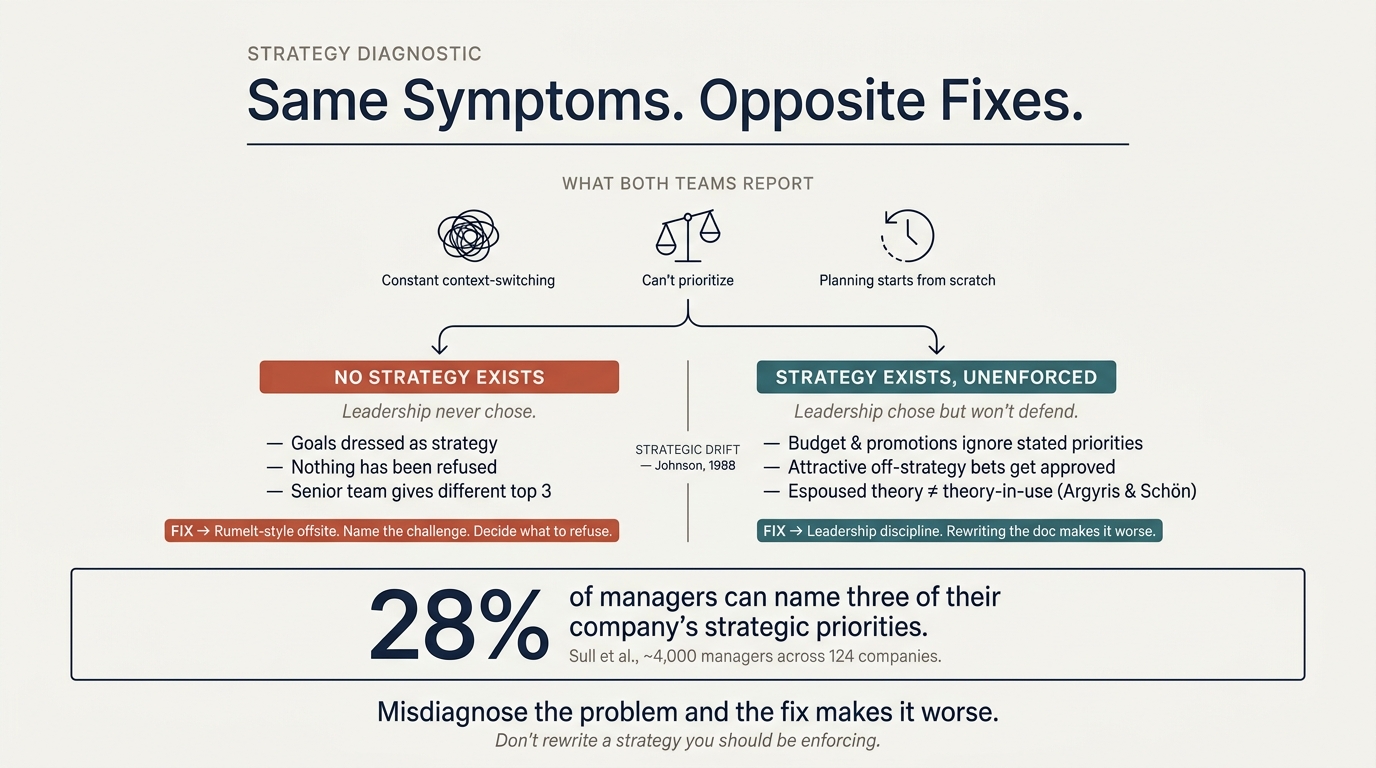
The difference between not having a strategy and not following one
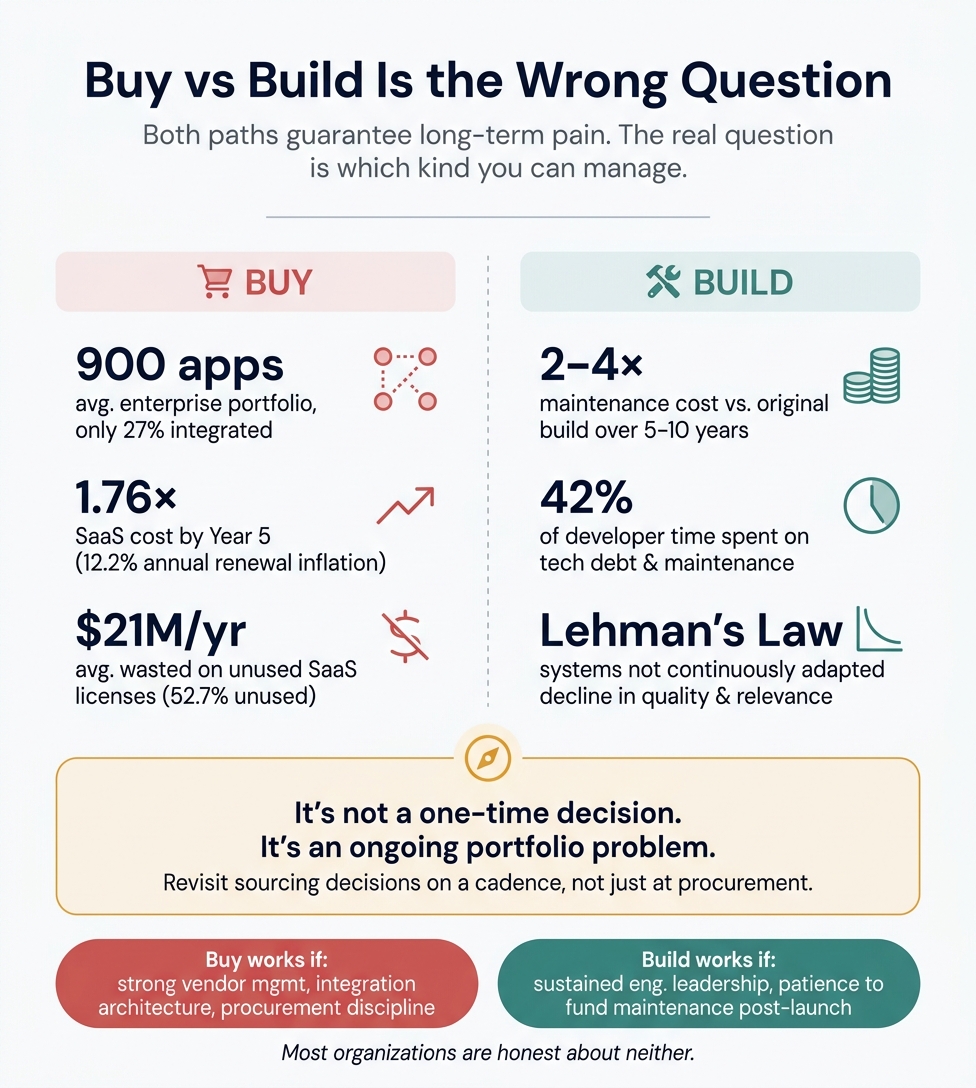
Examining why 'buy vs build' frameworks fail in practice because they treat the decision as a one-time evaluation rather than an ongoing portfolio problem
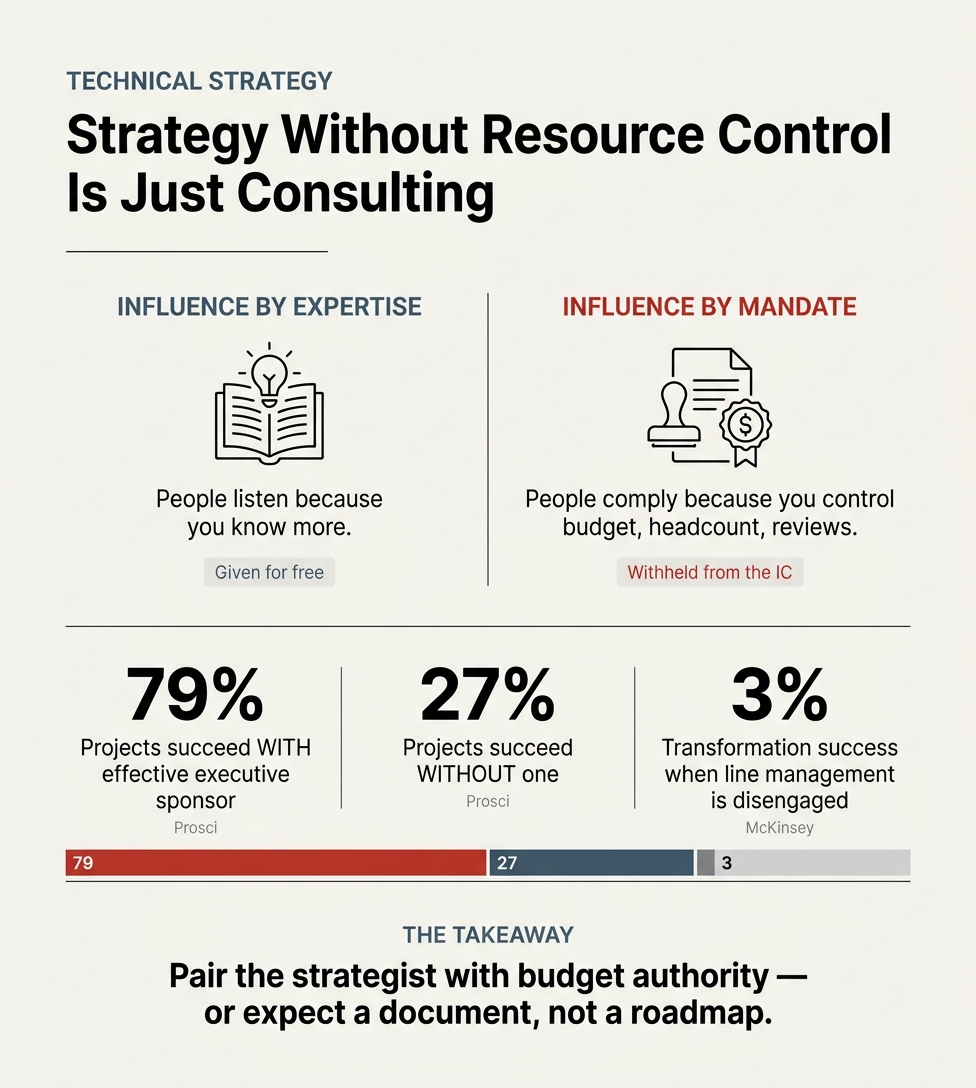
The pattern where organizations staff technical strategy with senior individual contributors who have deep system expertise but no organizational power, then wonder why recommendations die in committee
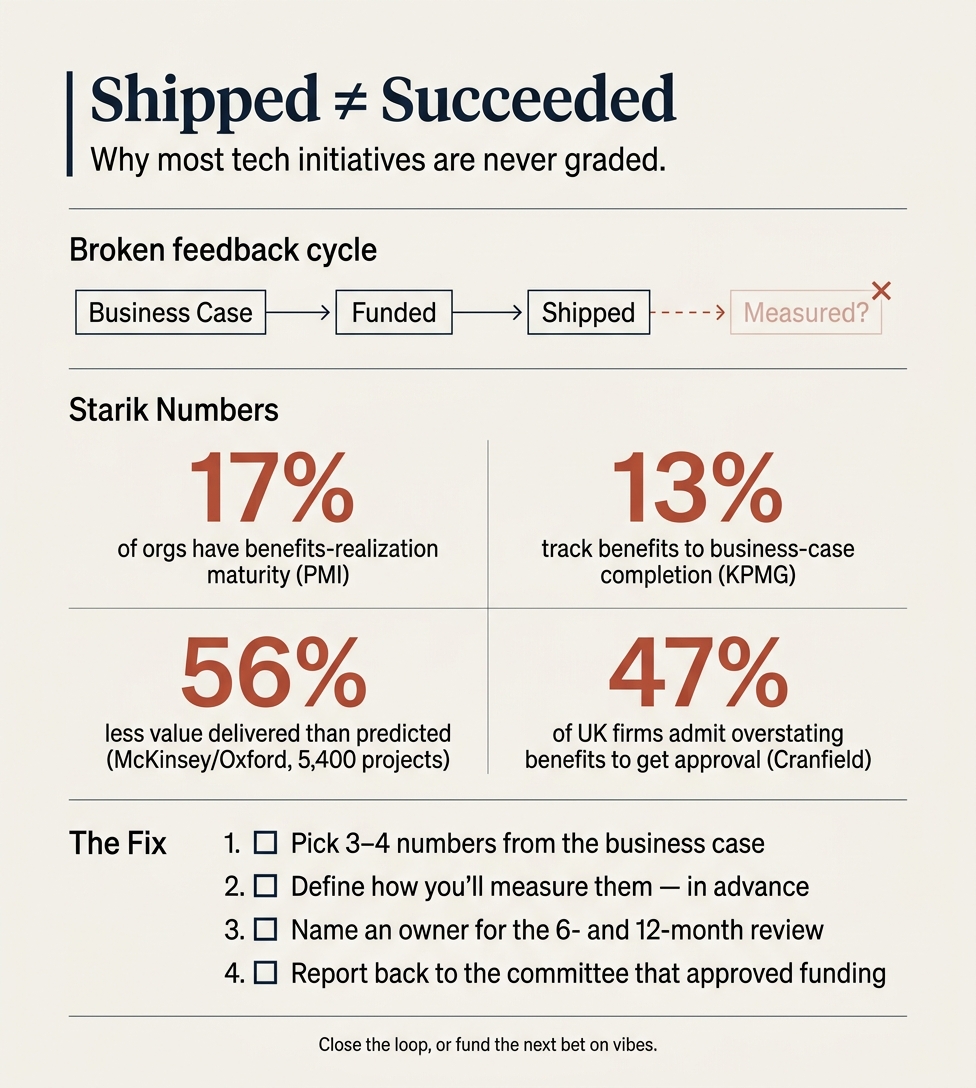
How organizations consistently underinvest in the ability to actually evaluate whether a technical initiative worked after it shipped
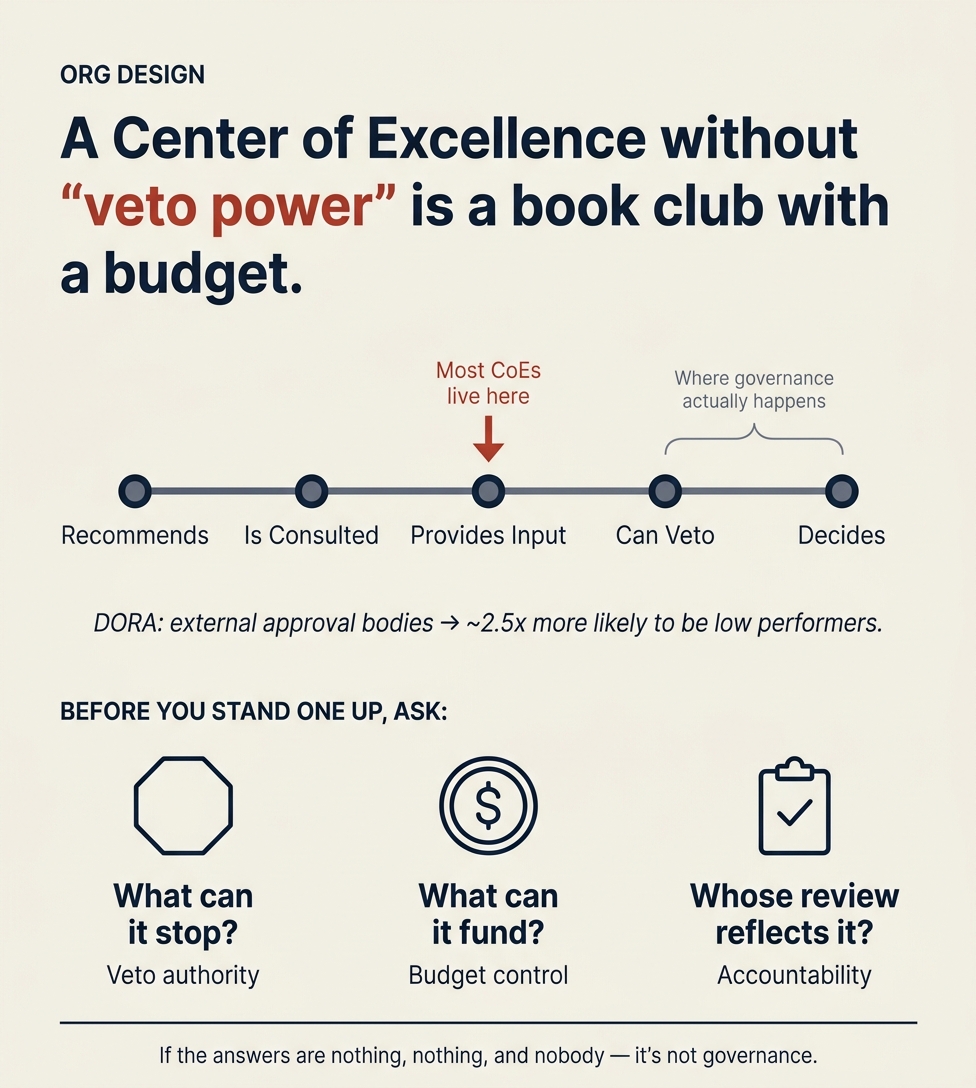
The strategic problem with 'centers of excellence' that produce guidelines nobody is structurally required to follow
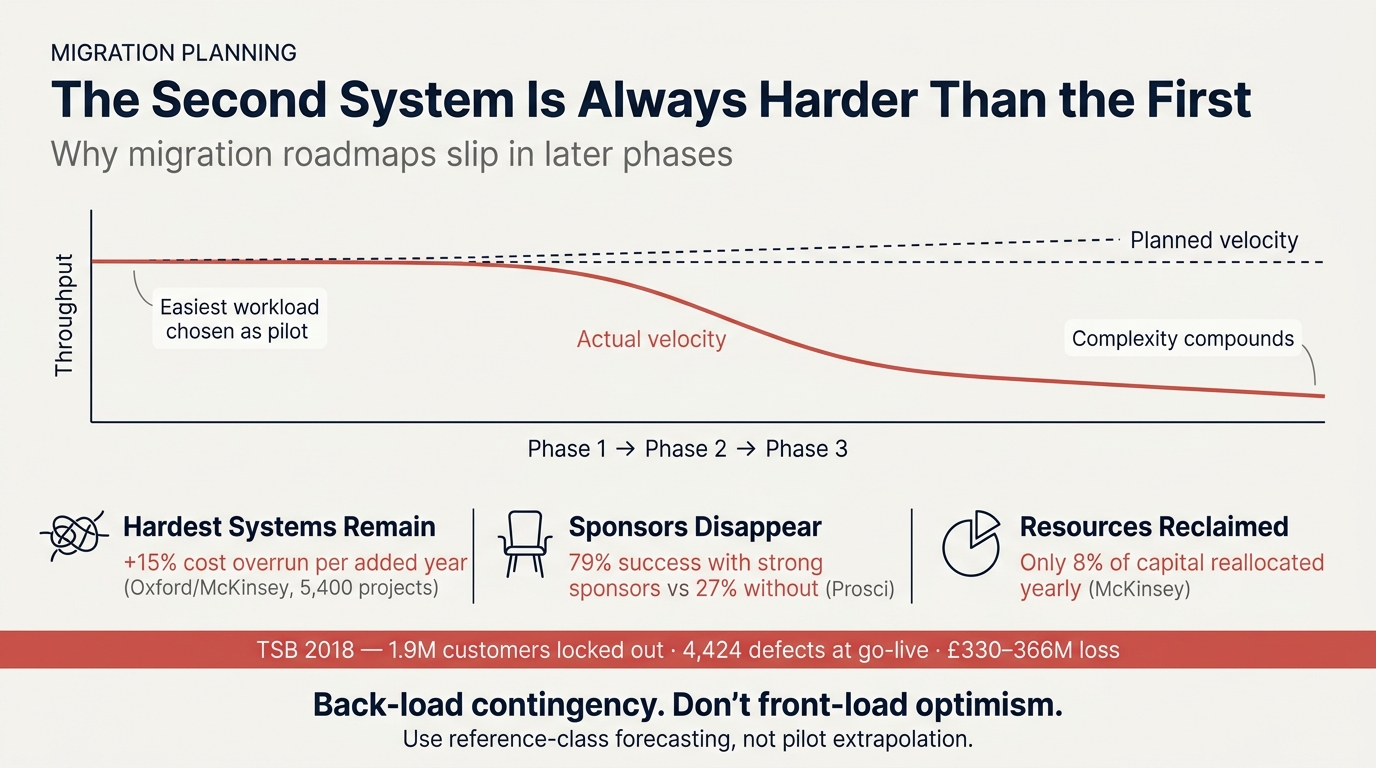
Why the second system you migrate is always harder than the first, even though everyone assumes the opposite
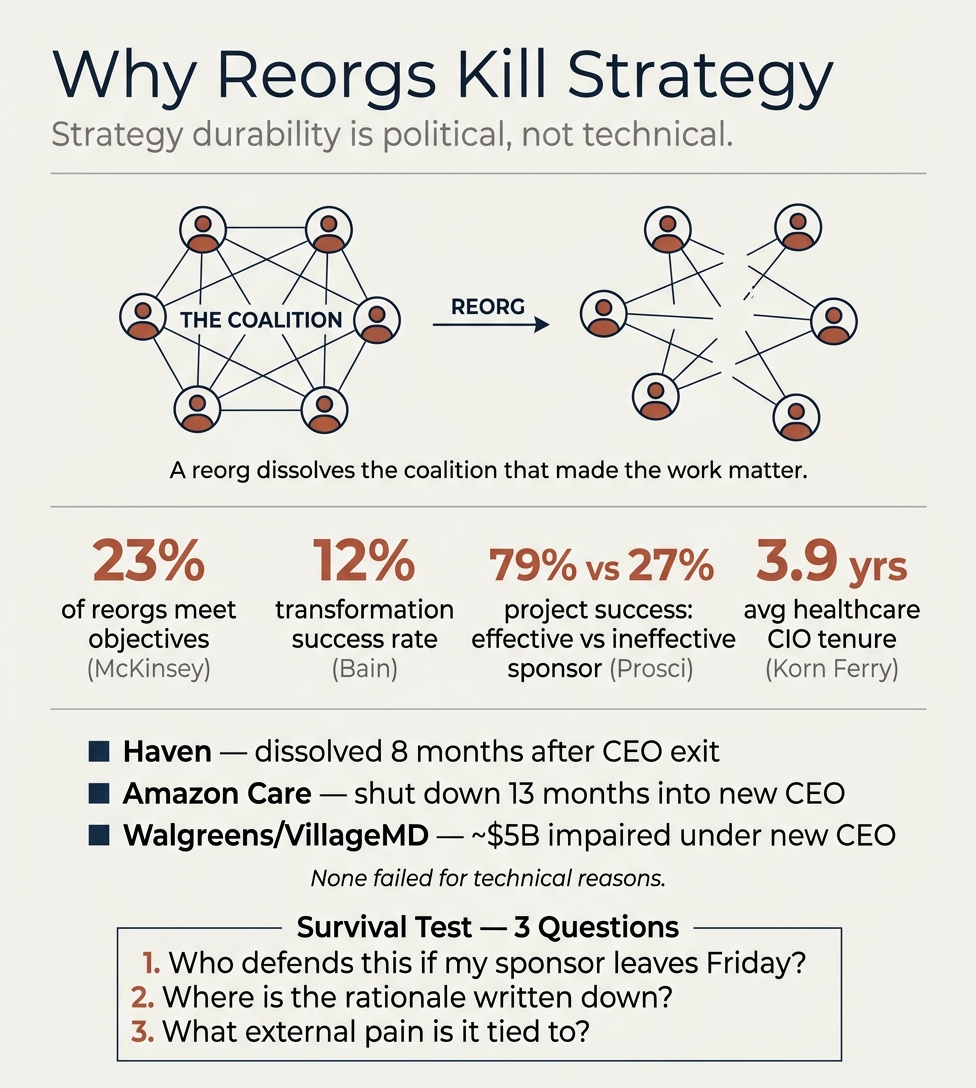
Why the most dangerous input to a technical strategy is a reorg
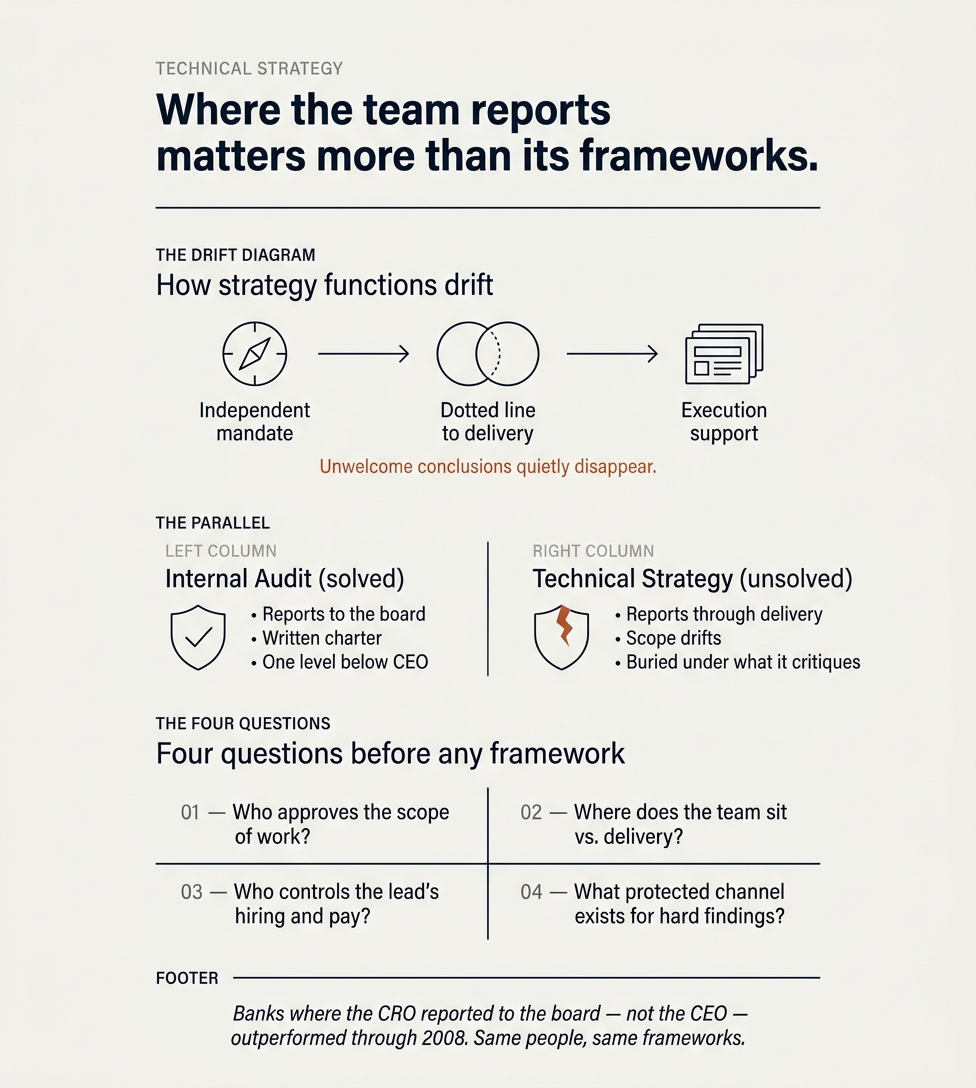
The tension between running a technical strategy function that's 'embedded with the business' versus one that maintains enough independence to deliver unwelcome conclusions
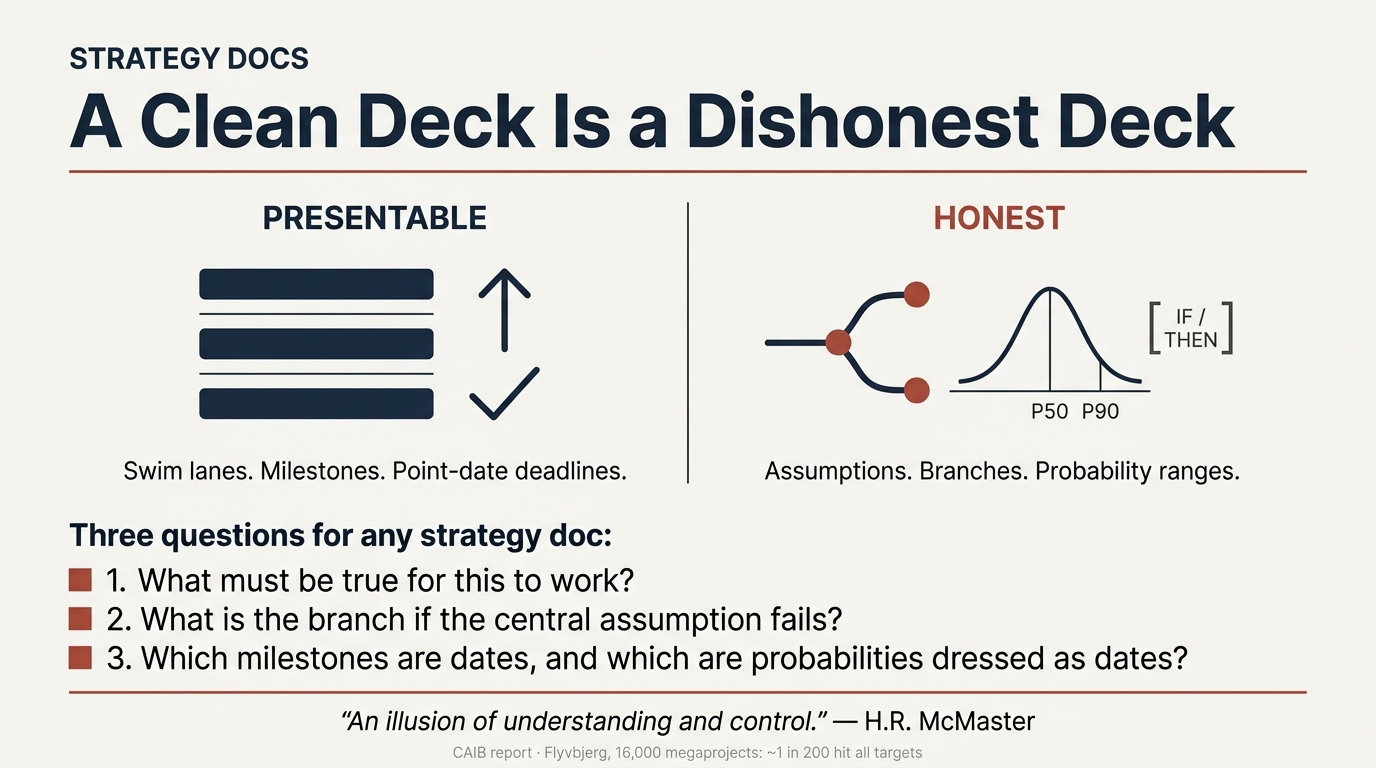
The overlooked failure mode where technical strategy documents optimize for internal legibility—clean diagrams, neat swim lanes, phased roadmaps—instead of capturing the actual messy constraints that will determine success or failure
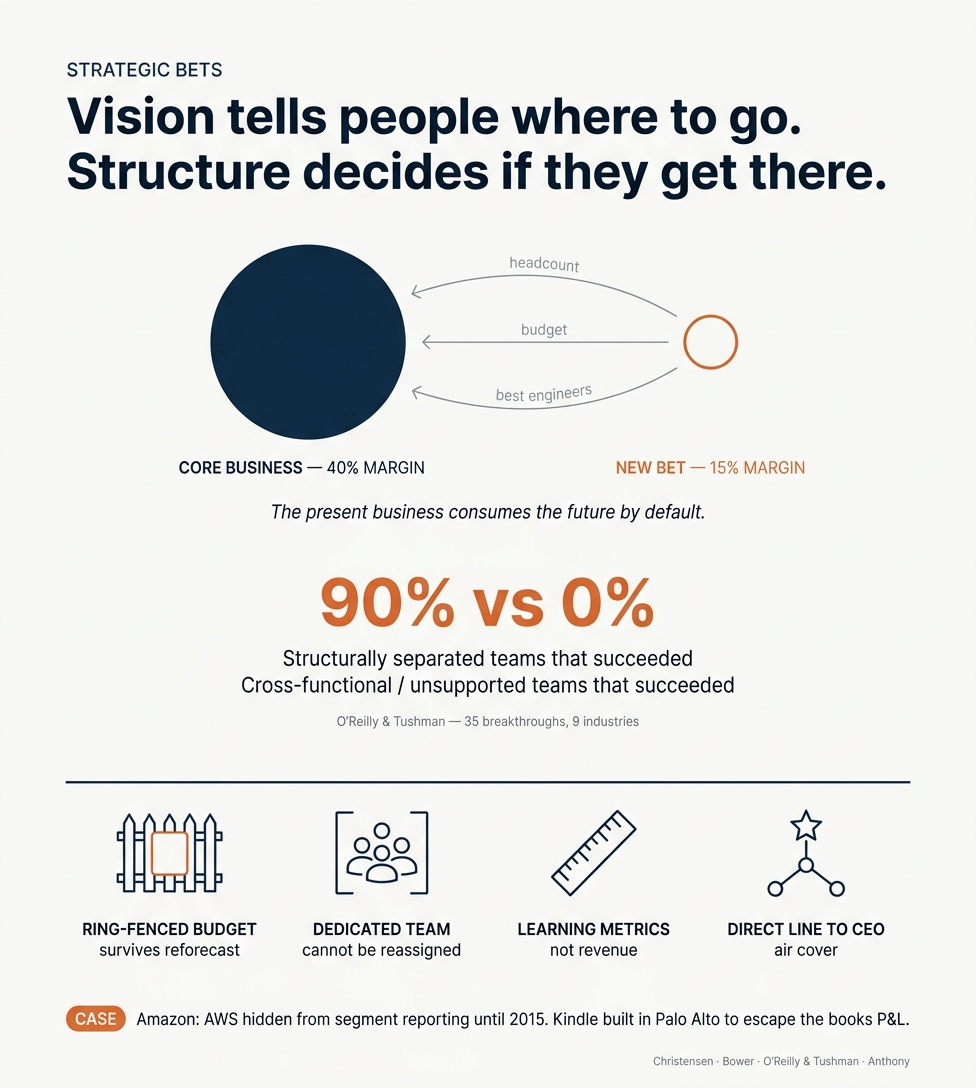
Why structural protection matters more than strategic clarity
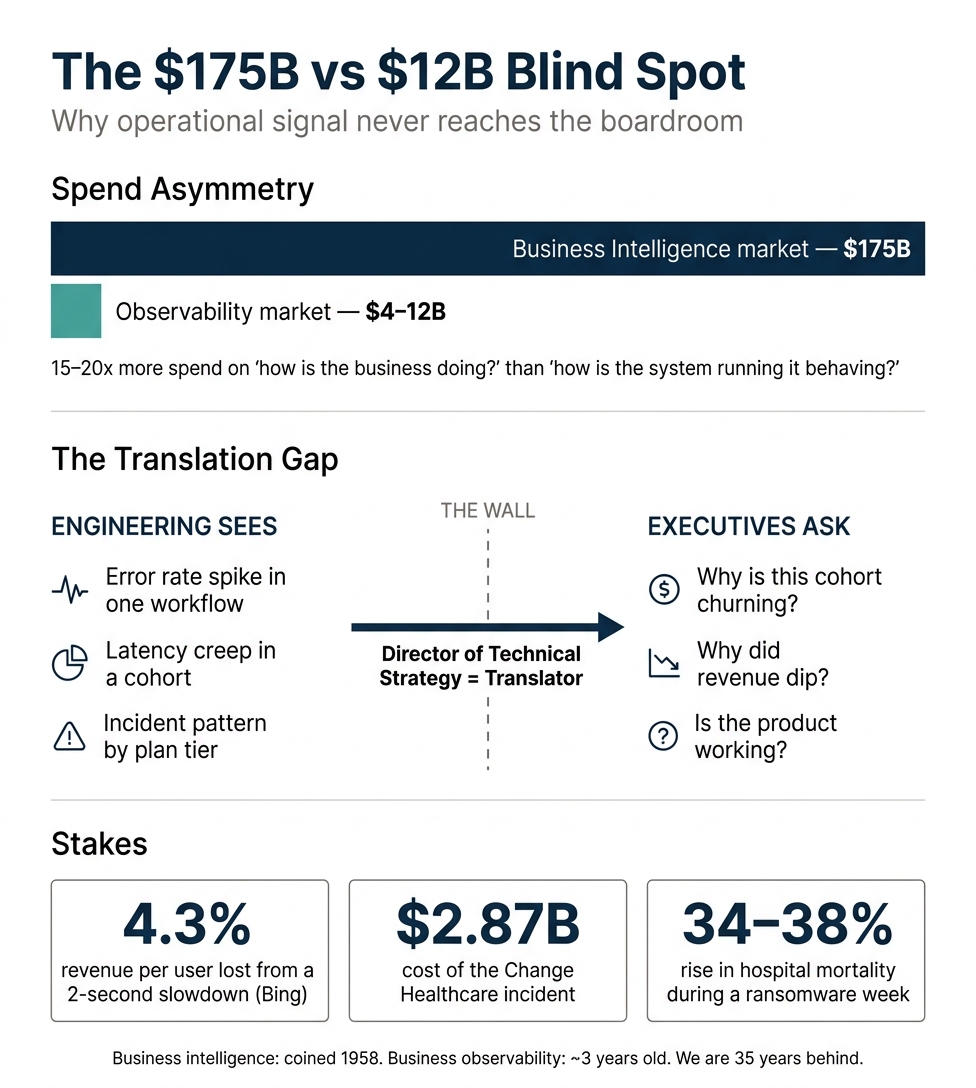
The strategic cost of treating observability and reliability as engineering-owned concerns rather than business intelligence
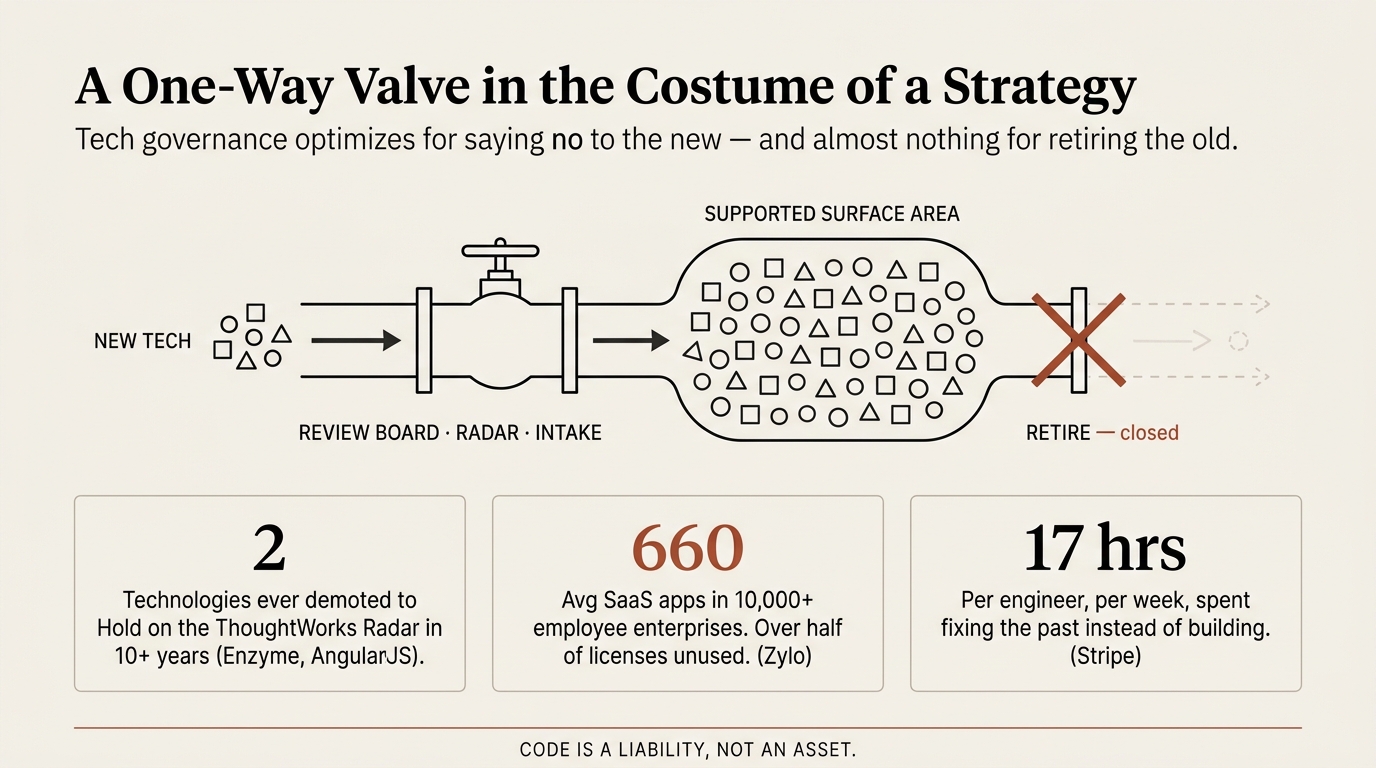
The uncomfortable reality that most technology radar and tech adoption governance processes optimize for saying no to new things while doing almost nothing to force retirement of old things
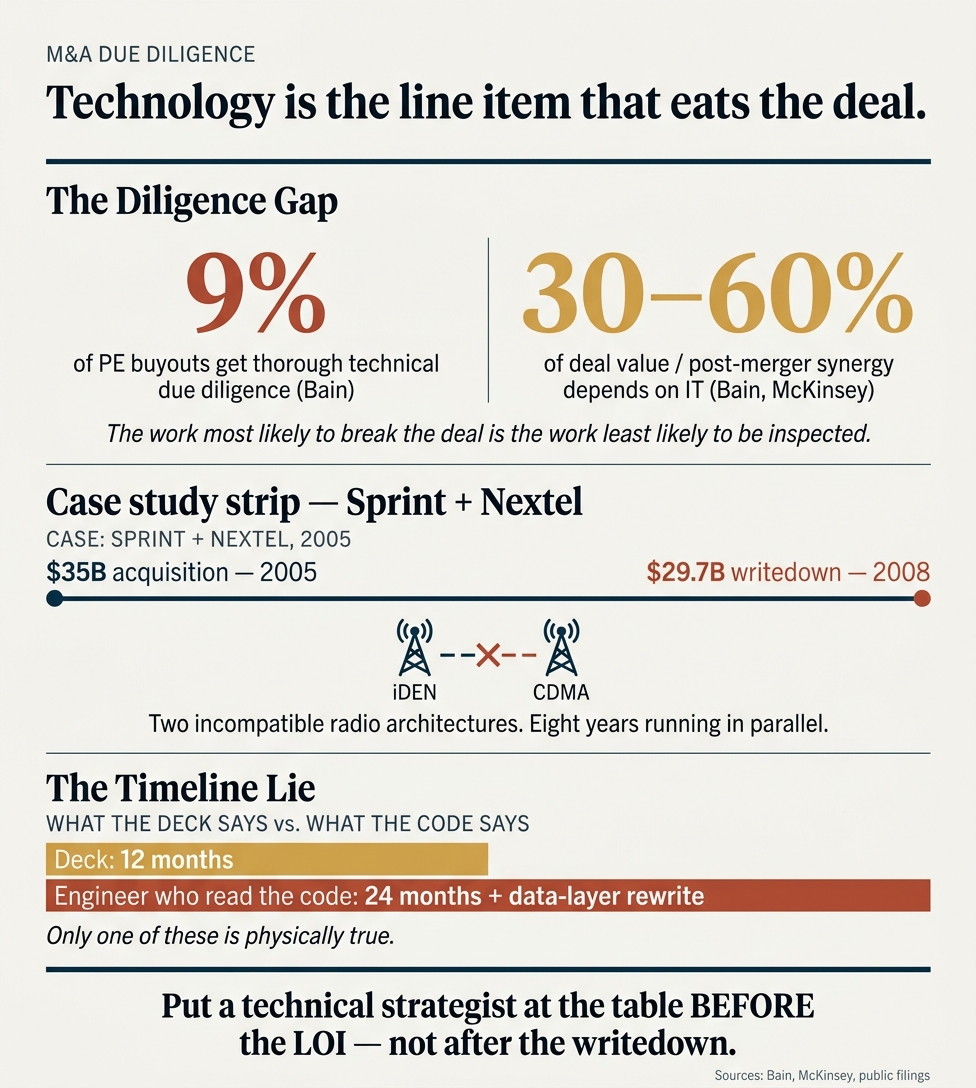
The underappreciated role of technical strategy in M&A due diligence, specifically how acquiring a company with an incompatible data architecture or deeply coupled monolith can silently destroy the projected value of a deal
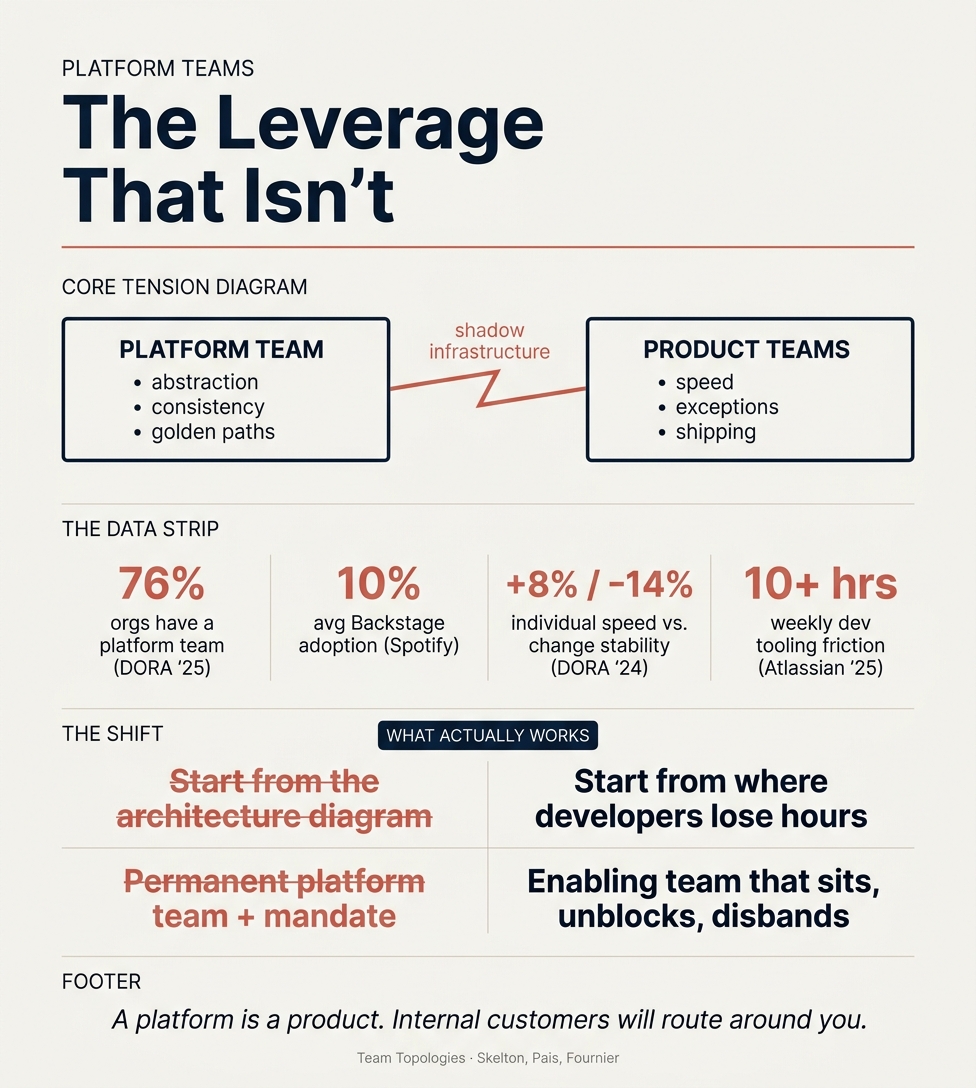
Challenging the assumption that platform teams automatically create leverage
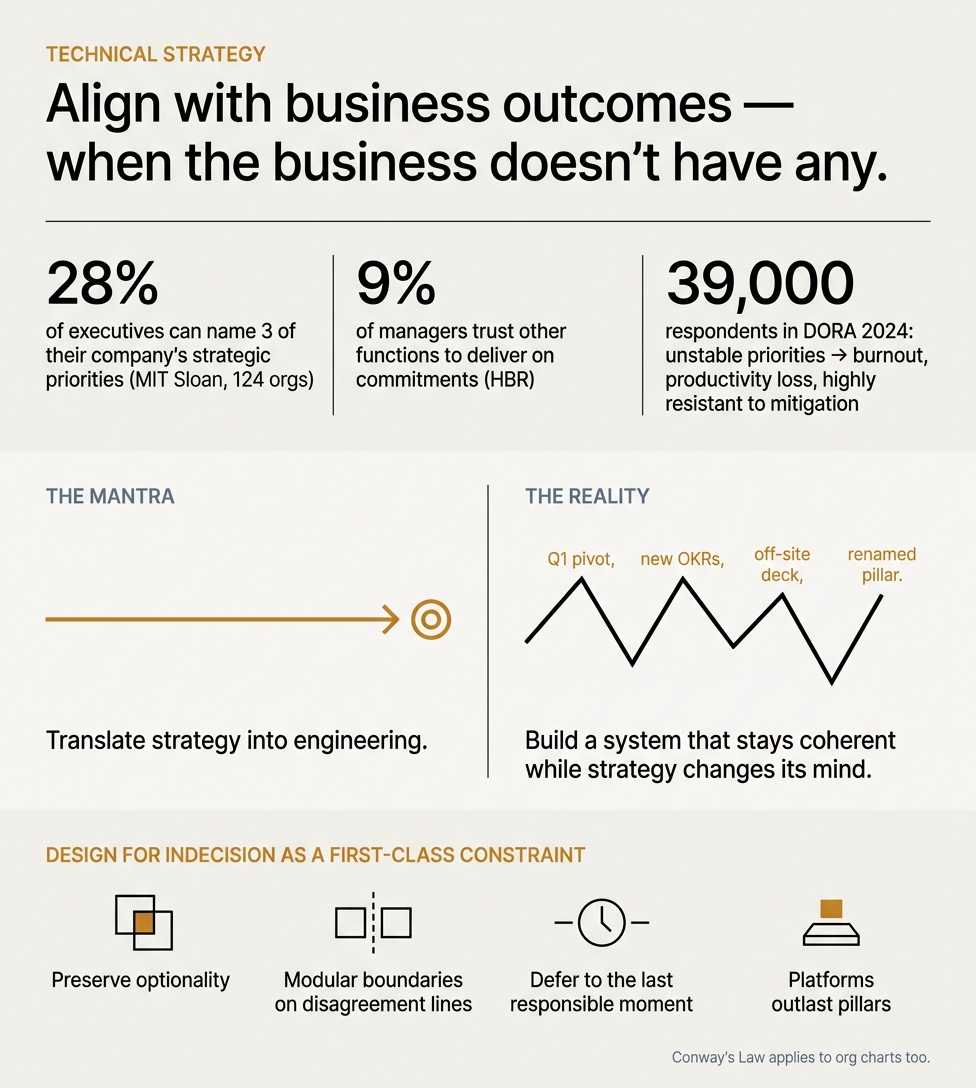
How the 'align engineering with business outcomes' mantra breaks down when the business itself can't articulate stable outcomes
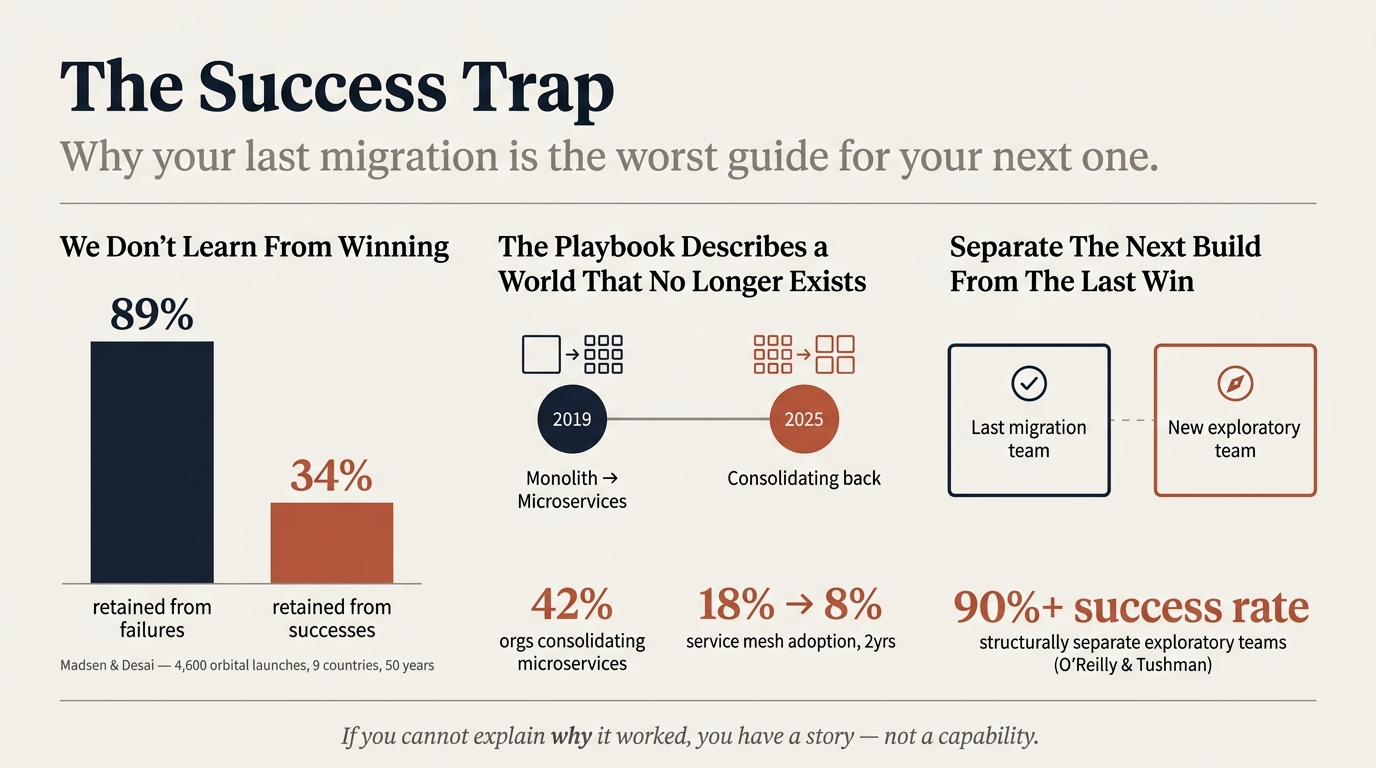
Why successful migrations and re-platforming efforts often make the organization worse at the next one
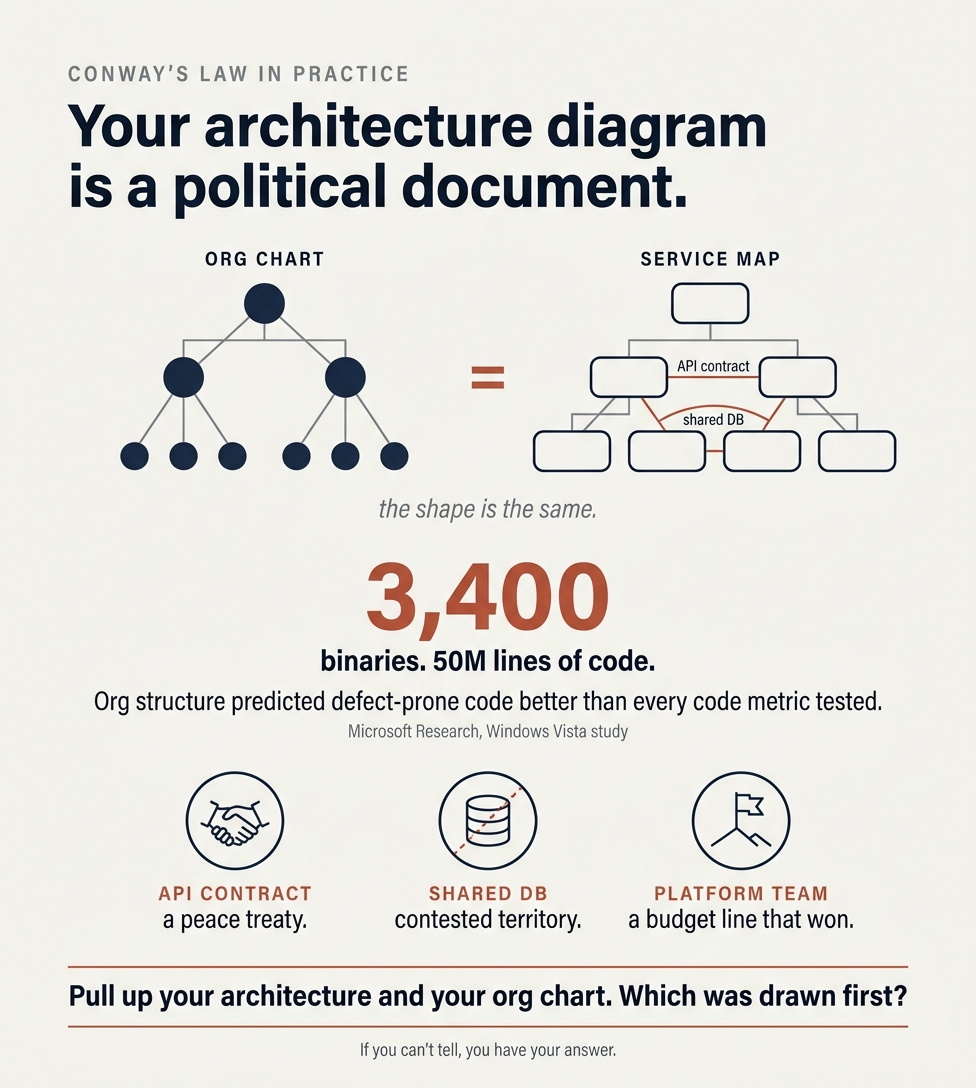
The way enterprise architecture diagrams become political documents rather than technical ones
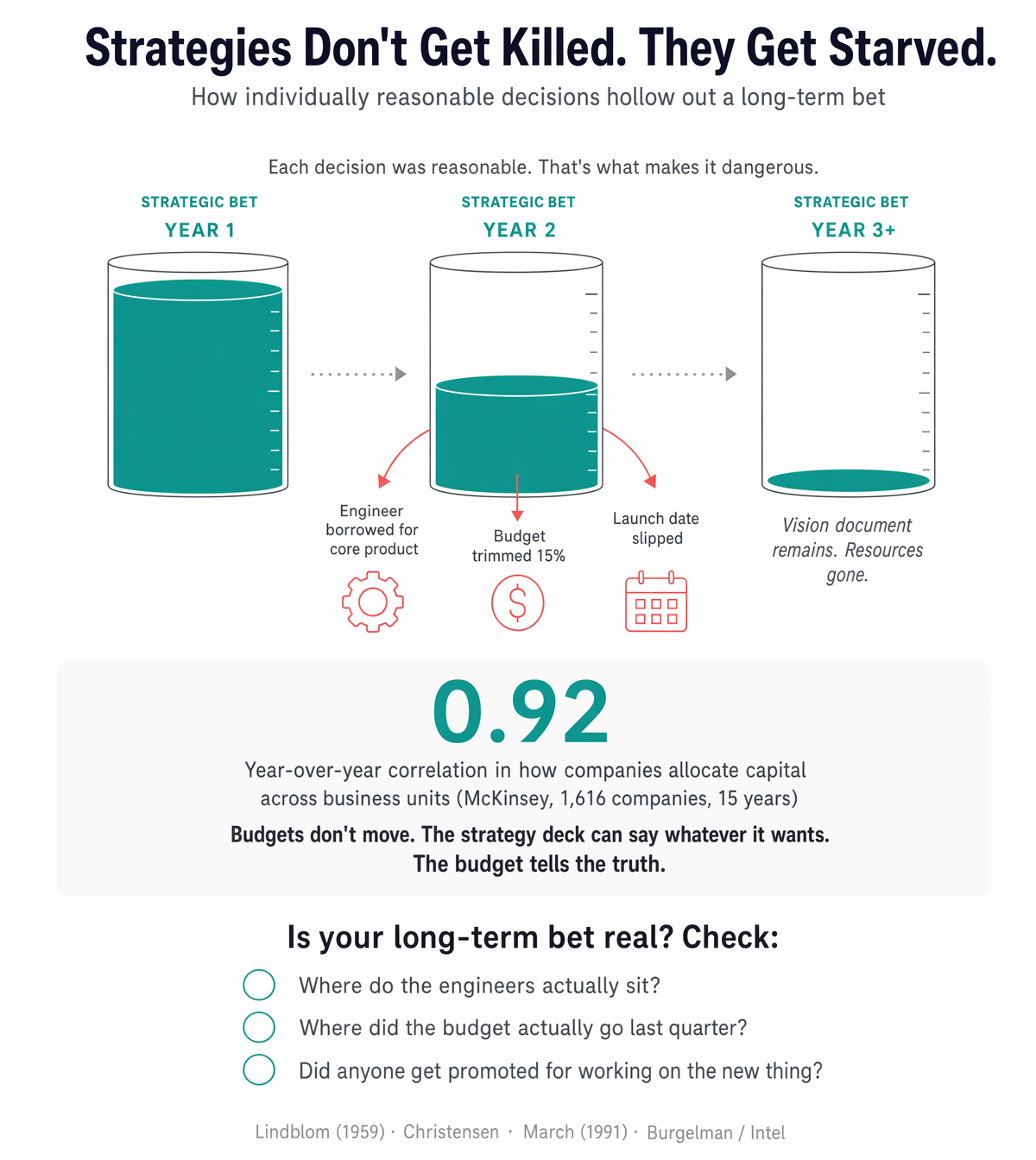
How 'individually reasonable decisions' hollow out a long-term bet
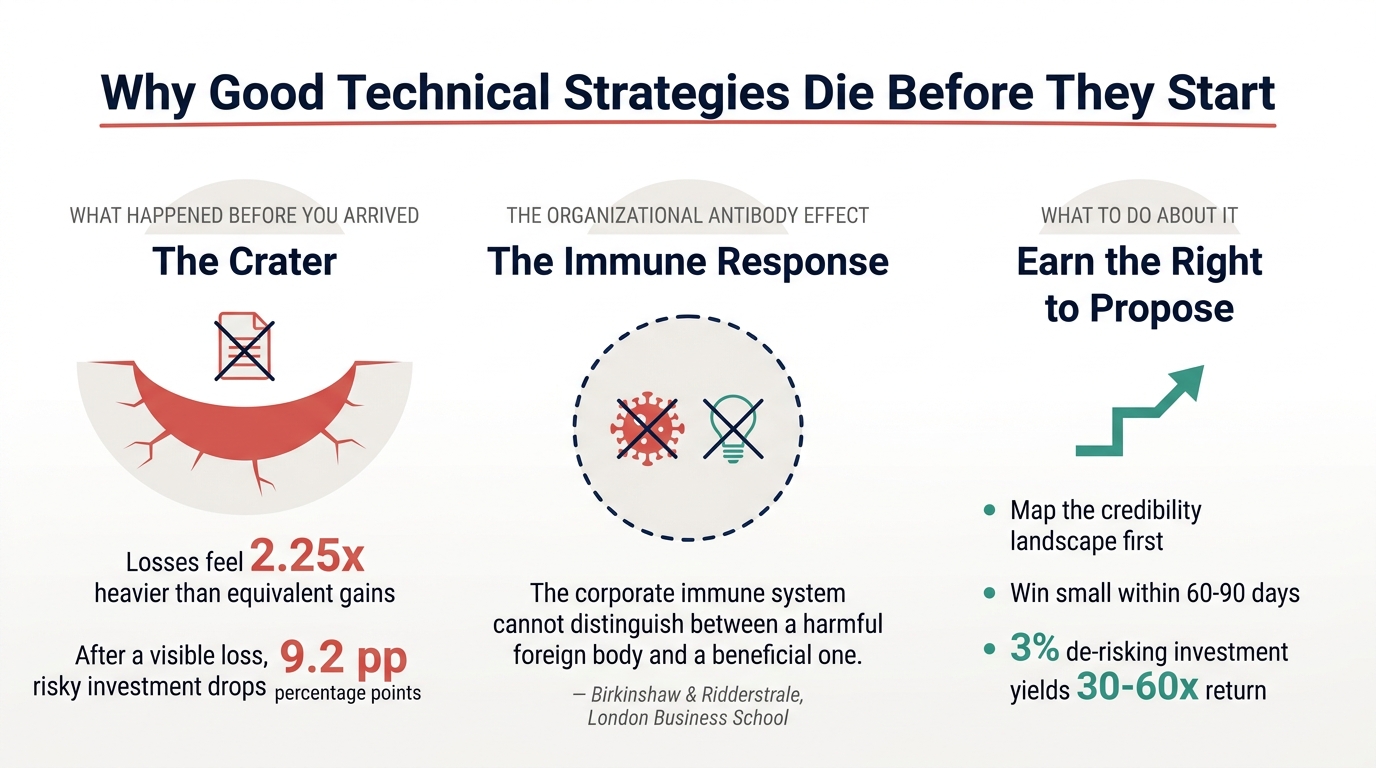
The moment a technical strategy becomes unfundable—not because it's wrong, but because the organization burned its political capital and executive patience on a previous initiative that over-promised and under-delivered
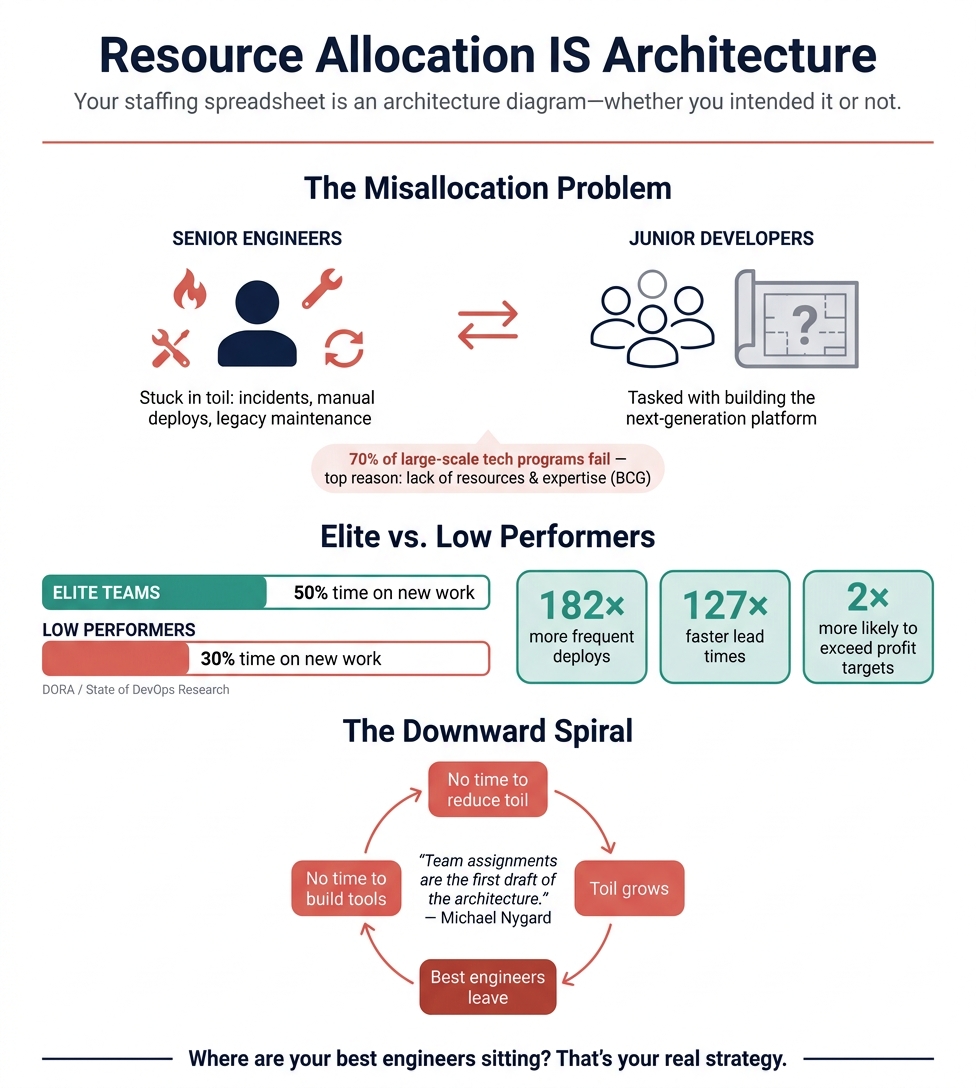
The underappreciated strategic risk of having your best engineers in the wrong room
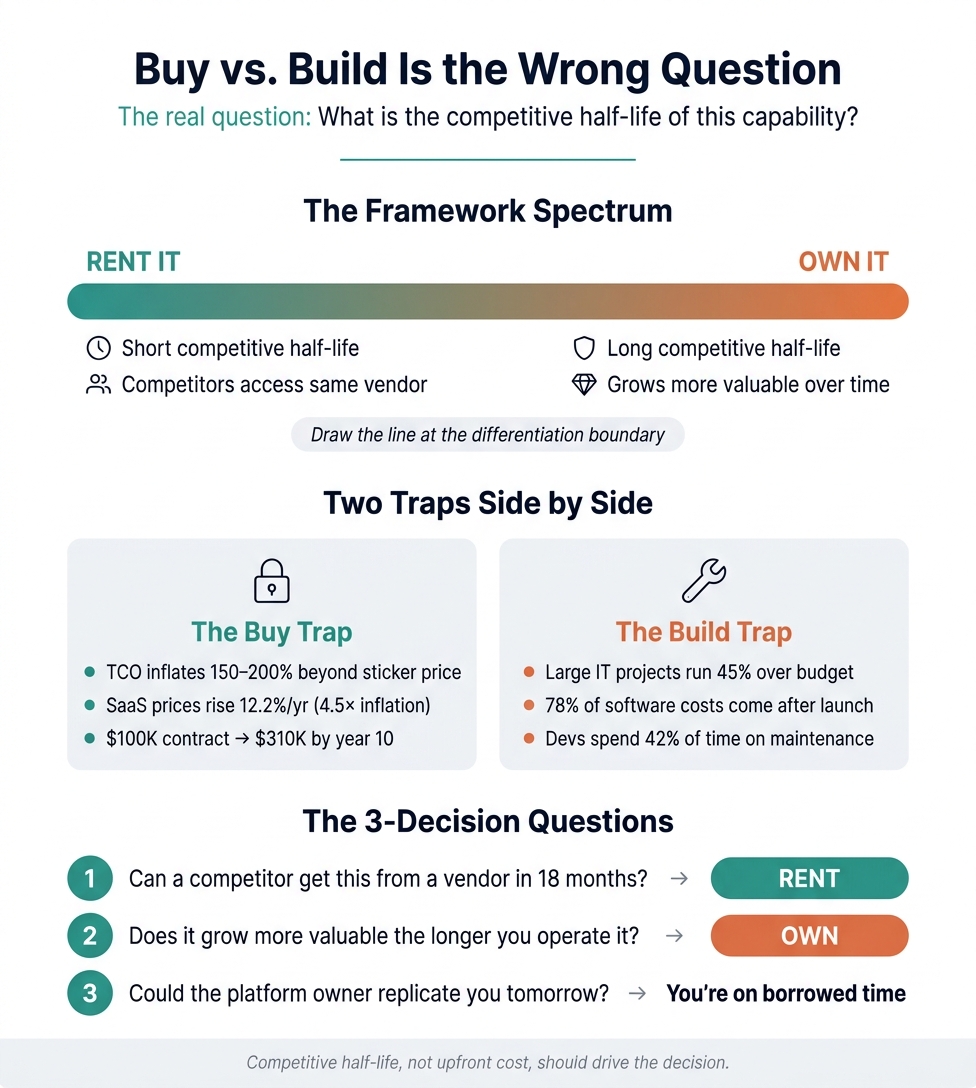
Examining why 'buy vs build' is a false binary that leads strategy teams astray—the real question is 'where does differentiation live and how long will it last
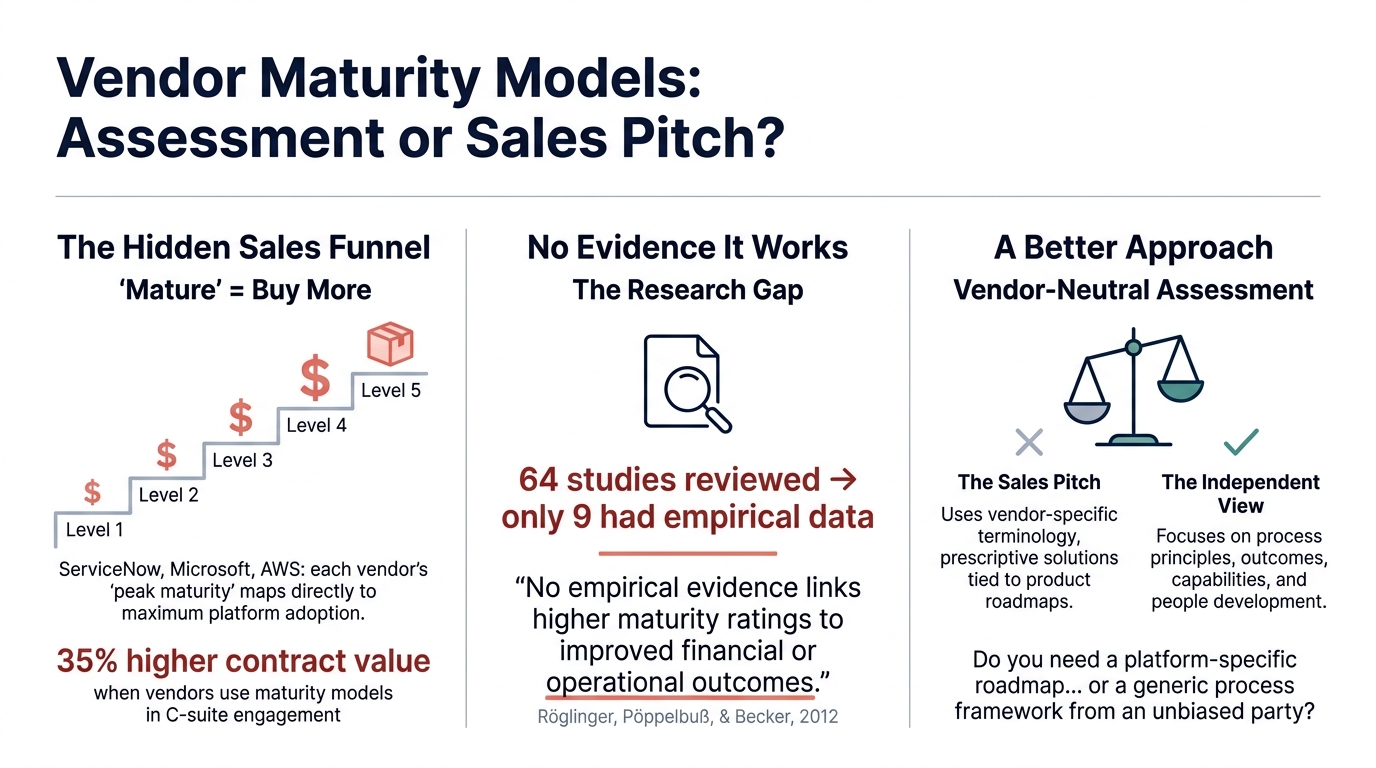
Why vendor-sponsored maturity models are strategy theater disguised as assessment
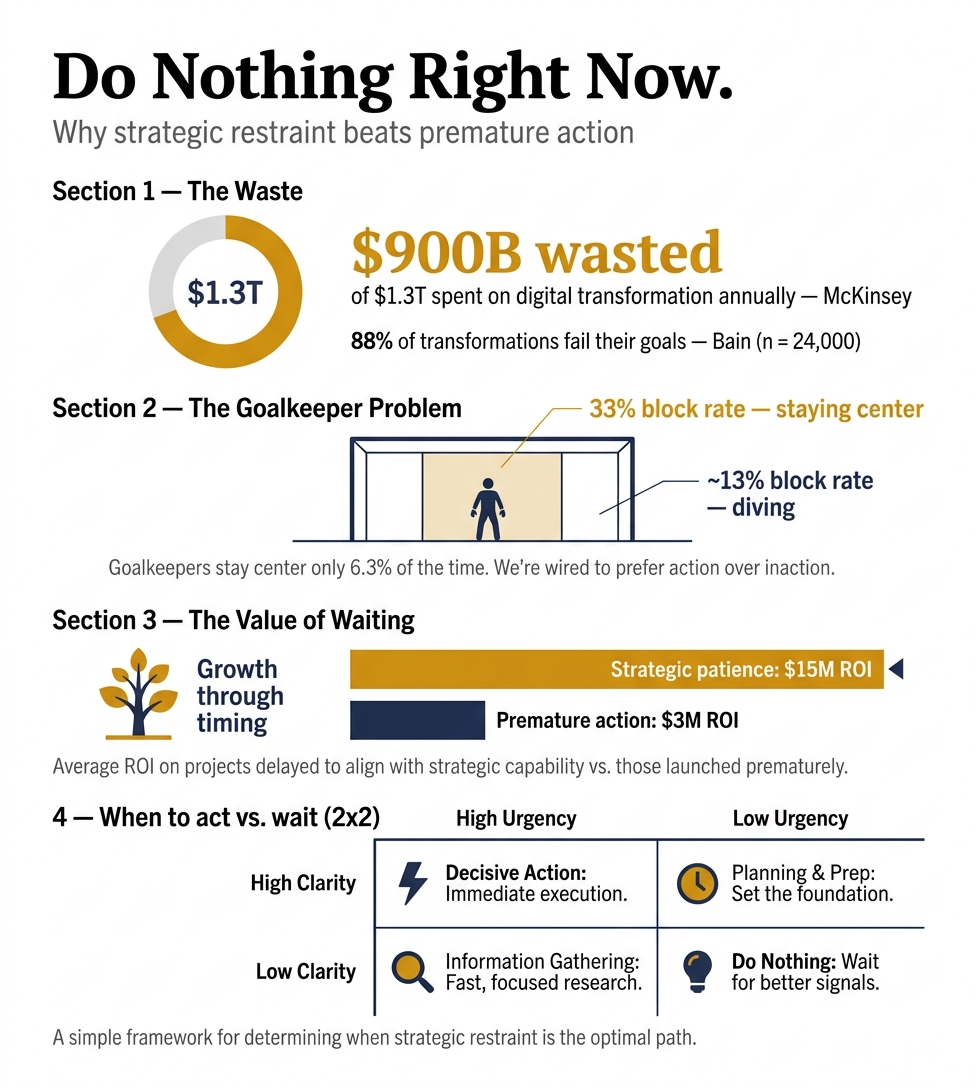
Why the most politically difficult recommendation a technical strategist makes is 'do nothing right now
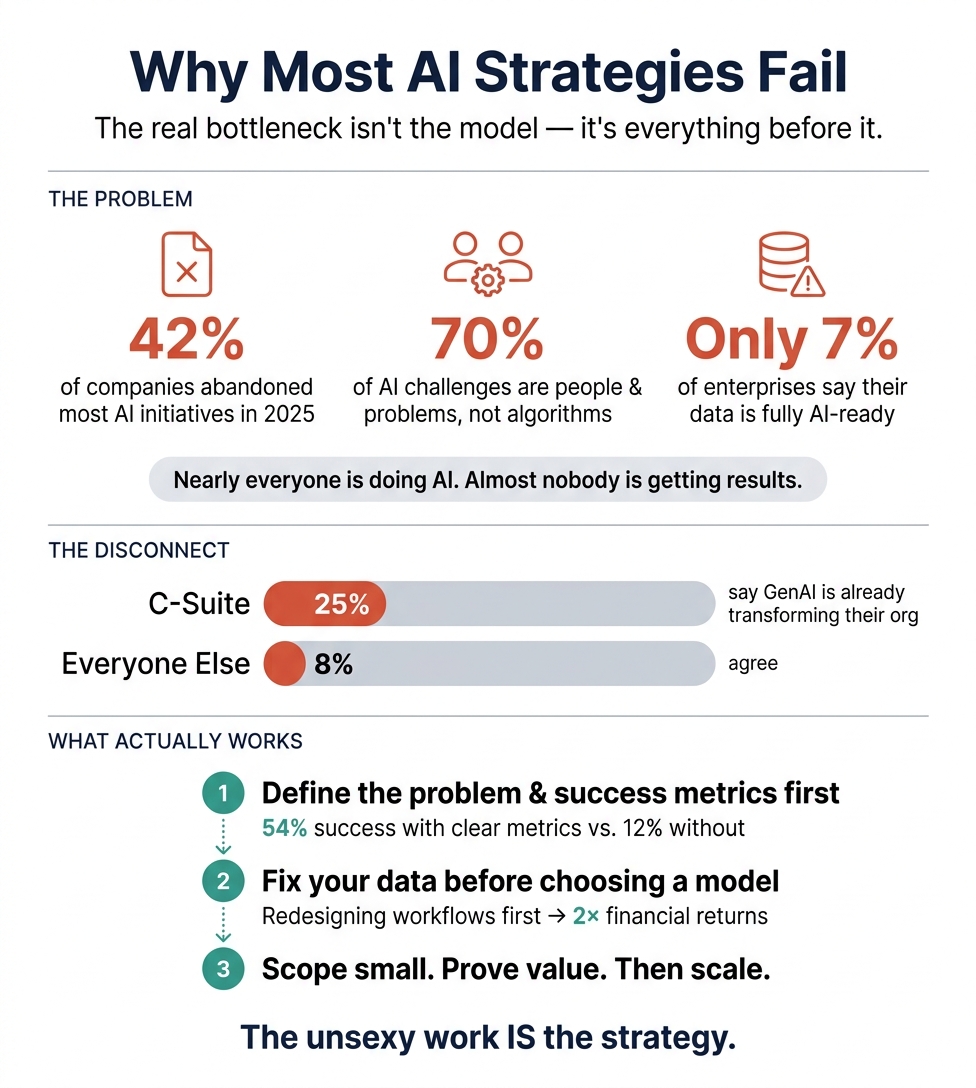
Confronting the tension between executive pressure for AI integration timelines and the reality that most organizations lack the data infrastructure, governance, and evaluation frameworks to deploy AI responsibly at scale
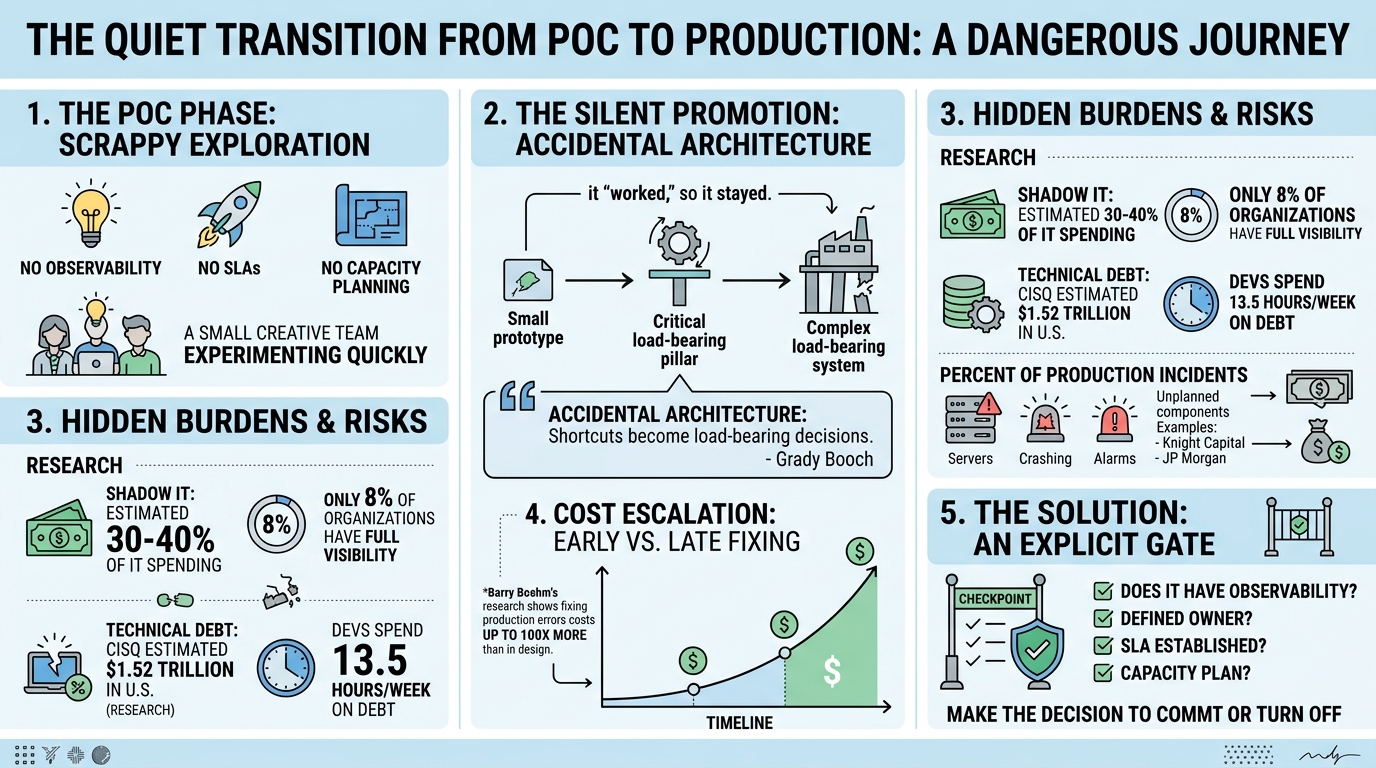
The dangerous moment when a proof-of-concept gets accidentally promoted to production infrastructure
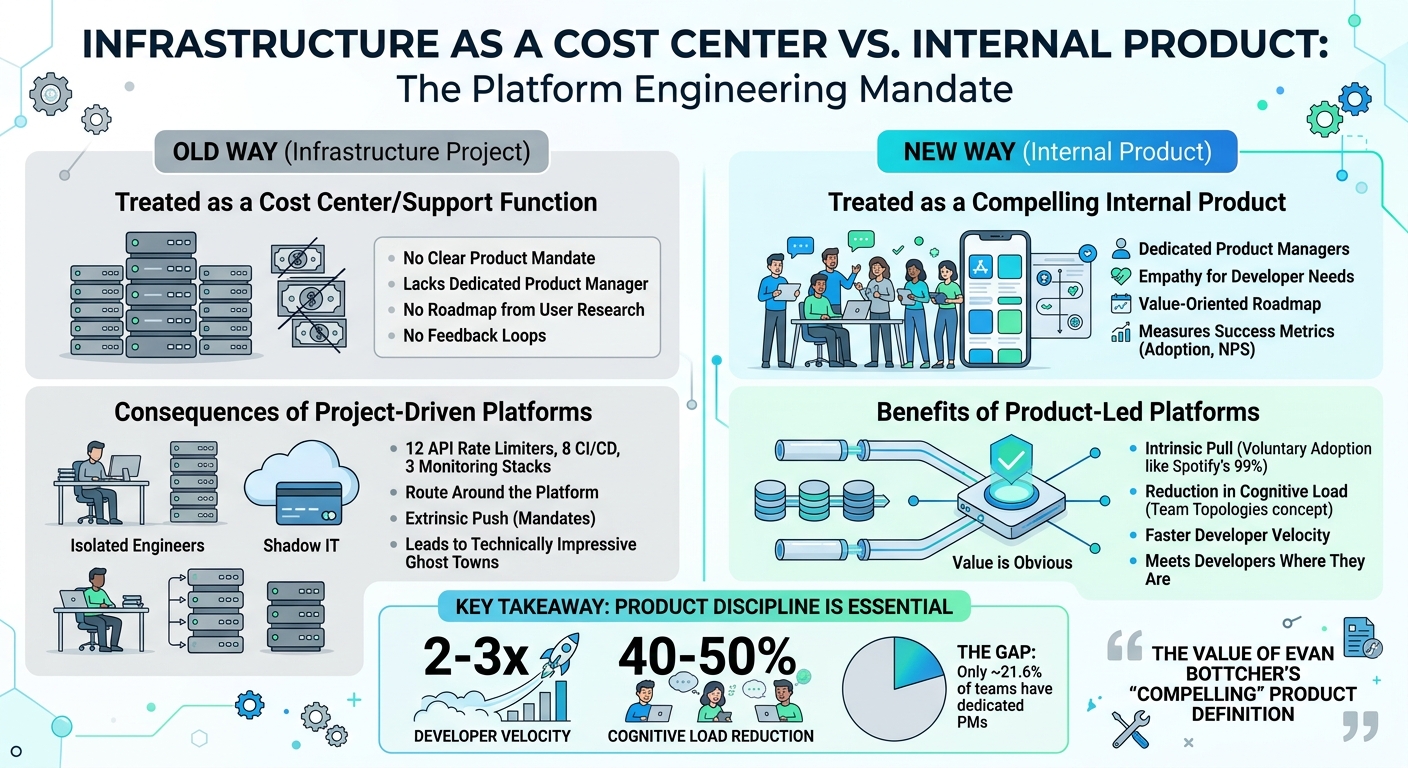
The strategic mistake of letting platform engineering teams operate without a clear product mandate—treating infrastructure as a cost center that 'just supports the business' instead of an internal product with users, roadmaps, and adoption metrics
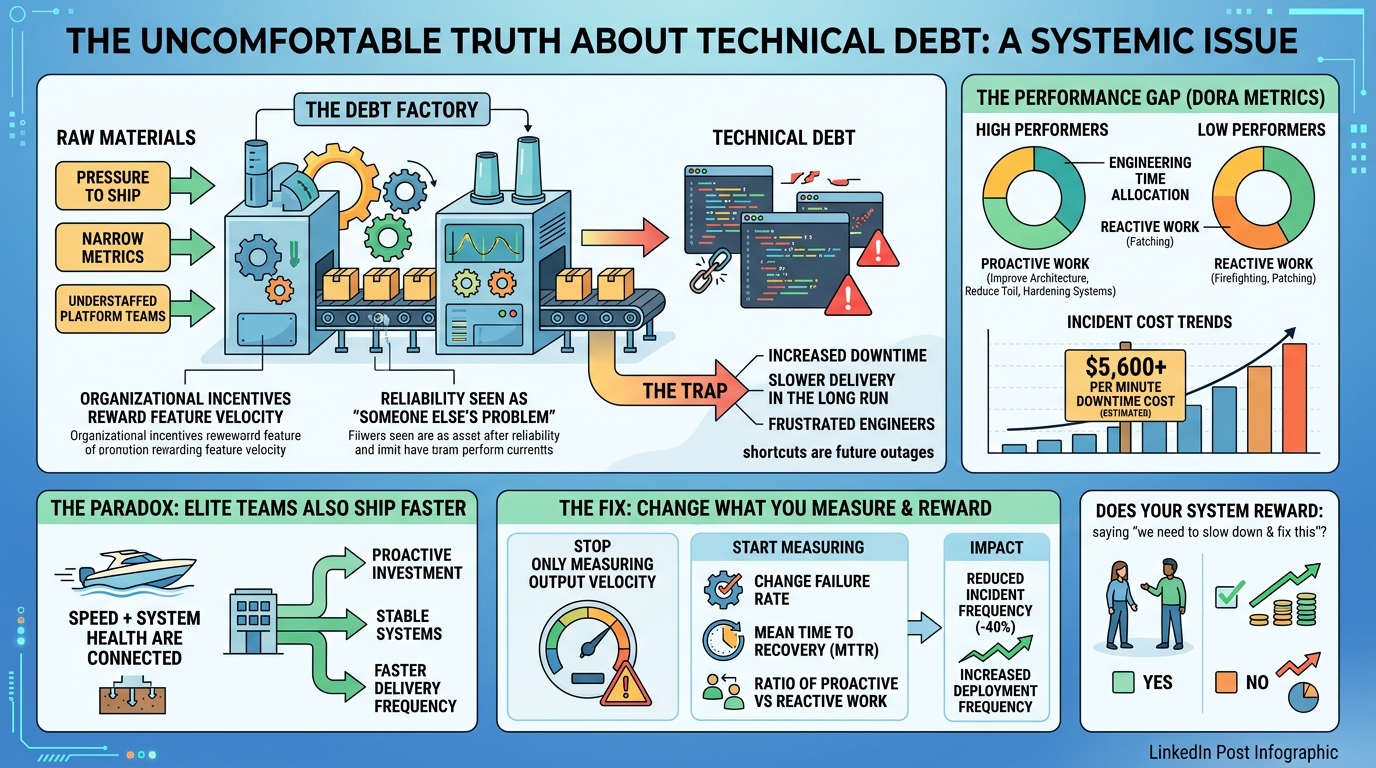
The uncomfortable truth that most technical debt isn't accidental—it's the rational outcome of incentive structures that reward feature velocity over system health